


Food Waste: The Complete Authoritative Guide to Causes, Impacts, and Global Solutions


Introduction: Why Food Waste Is One of the Greatest Challenges of Our Time
Food waste is no longer a marginal environmental issue—it is a global systemic failure that intersects with hunger, climate change, water scarcity, economic inequality, and unsustainable consumption. Every year, billions of tons of edible food are discarded while hundreds of millions of people suffer from food insecurity.
According to Food and Agriculture Organization, nearly one-third of all food produced globally is lost or wasted. This paradox reveals a broken food system where abundance coexists with deprivation.
This comprehensive guide provides an in-depth, evidence-based, and solution-oriented analysis of food waste, designed for policymakers, researchers, sustainability professionals, food businesses, and conscious consumers.
1. What Is Food Waste? (Definition and Scope)
1.1 Definition of Food Waste
Food waste refers to edible food that is discarded, lost, or uneaten at any stage of the food supply chain—from agricultural production to household consumption.
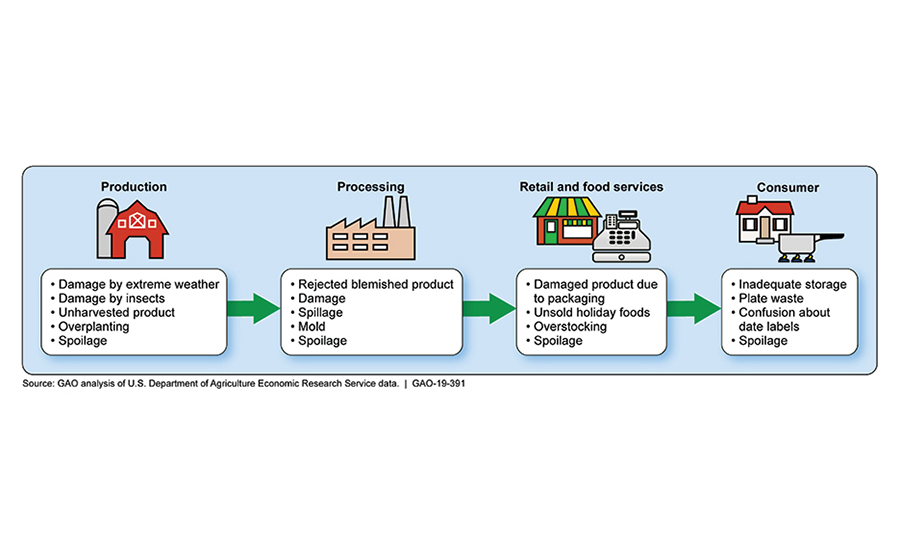
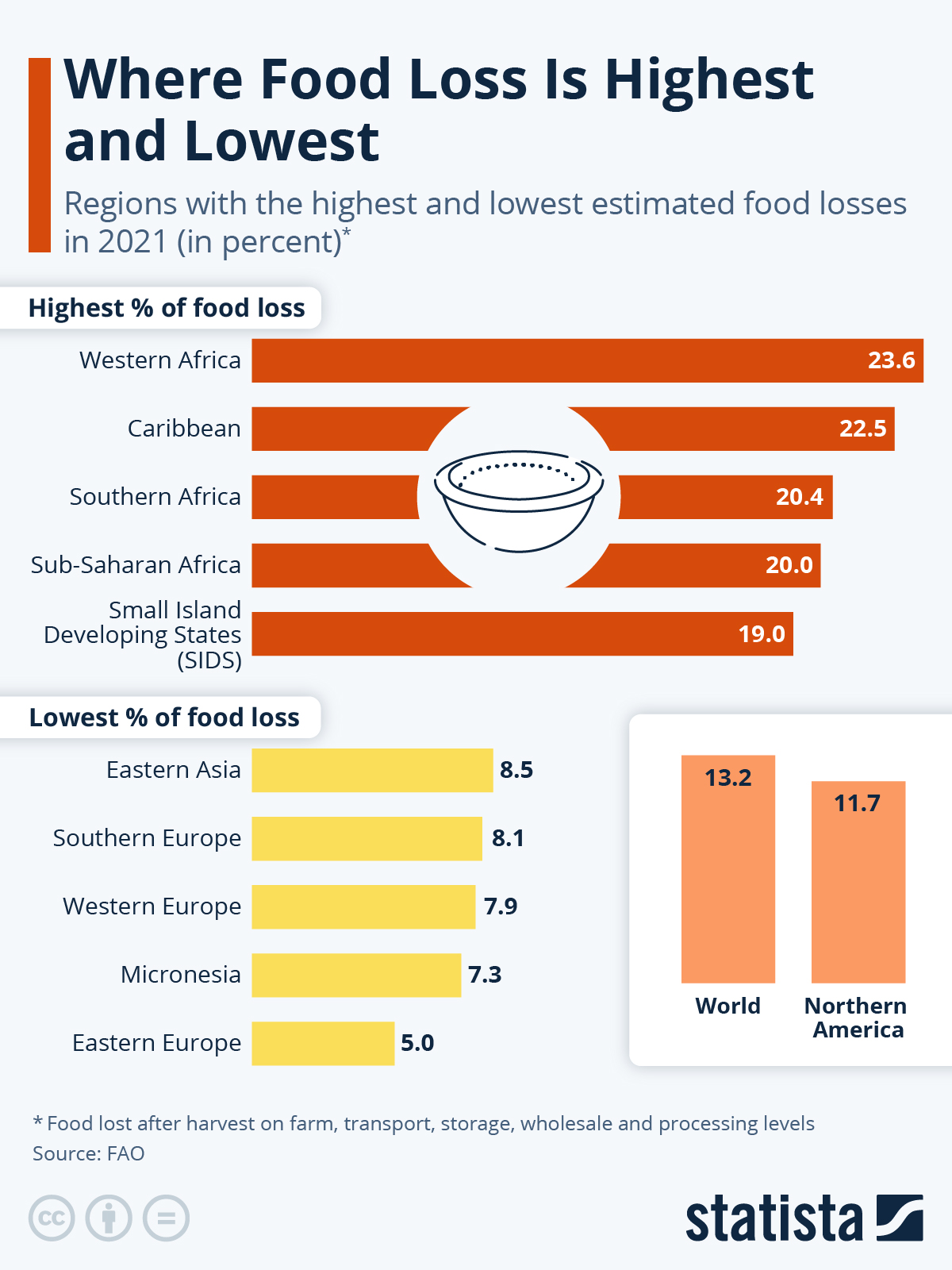
It differs slightly from food loss, which typically occurs earlier in the supply chain due to poor infrastructure, harvesting techniques, or storage conditions.
Food Loss → Production, post-harvest, processingFood Waste → Retail, food service, households
2. Global Food Waste Statistics (Updated Overview)

🌍 1.3 billion tons of food wasted annually worldwide
💰 Economic loss exceeds $1 trillion per year
🌱 Responsible for 8–10% of global greenhouse gas emissions
💧 Wastes 250 km³ of freshwater annually
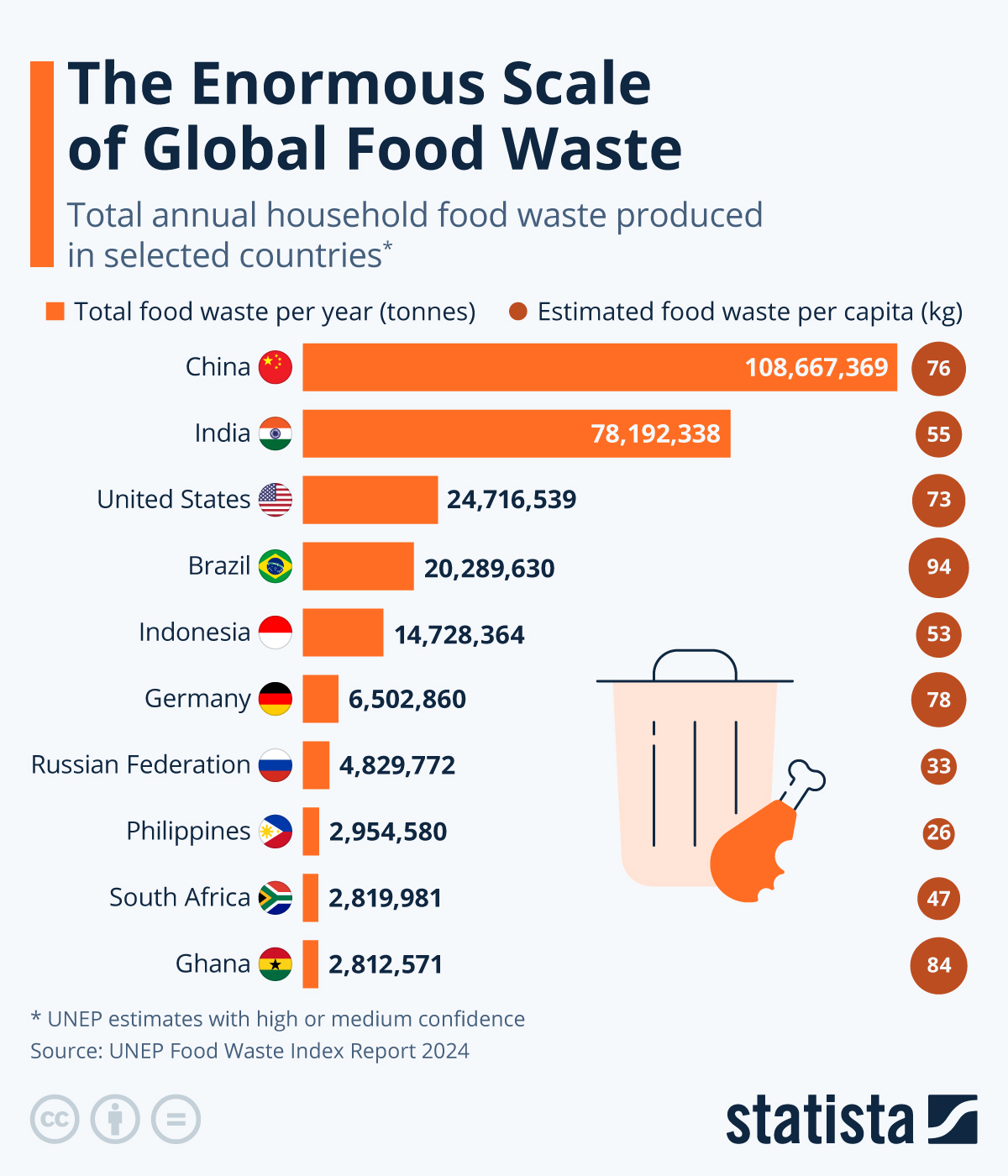
🍽️ Household consumption accounts for over 60% of food waste in high-income countries
These figures are reinforced by data from United Nations Environment Programme and the Food Waste Index Report.
3. Major Causes of Food Waste Across the Supply Chain
3.1 Agricultural Production
Overproduction driven by market volatility
Rejection of “imperfect” produce
Climate-related crop losses
3.2 Post-Harvest and Storage Losses
Lack of cold storage in developing regions
Pest infestations
Poor transportation infrastructure
3.3 Food Processing and Manufacturing
Inefficient trimming and quality control
Expiration date mismanagement
Production line errors
3.4 Retail and Distribution
Overstocking to maintain visual abundance
Strict cosmetic standards
Promotional practices encouraging overbuying
3.5 Household Food Waste (Biggest Contributor)
Over-purchasing
Poor meal planning
Confusion over “best before” vs. “use by” dates
Improper storage
4. Environmental Impacts of Food Waste
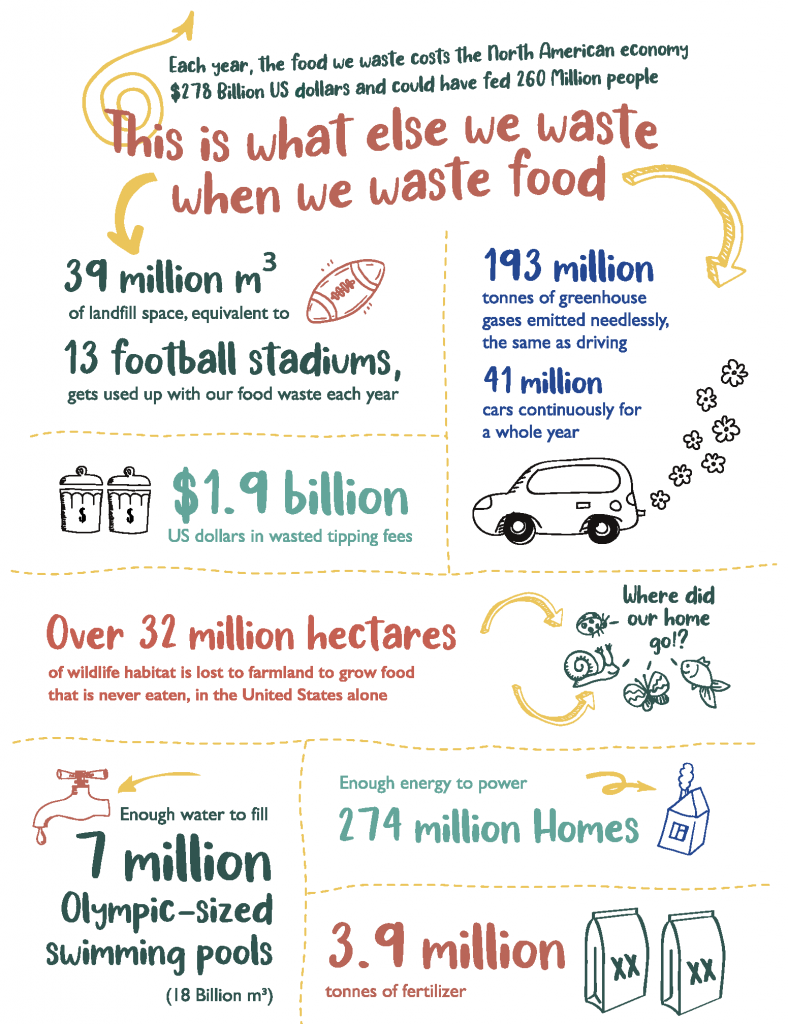


4.1 Climate Change and Greenhouse Gases
When food decomposes in landfills, it releases methane, a greenhouse gas 25 times more potent than CO₂.
If food waste were a country, it would be the third-largest emitter after the U.S. and China.
4.2 Water and Land Degradation
Massive water waste used for irrigation
Soil erosion from unnecessary farming
Deforestation for wasted food production
5. Economic Consequences of Food Waste
Food waste represents a direct financial loss for:
Farmers
Food manufacturers
Retailers
Households
For families alone, food waste can equal $1,500 per household per year in high-income countries.
At the national level, food waste reduces GDP efficiency and increases waste management costs.
6. Social and Ethical Dimensions of Food Waste
6.1 Food Insecurity Paradox
Over 735 million people face chronic hunger while edible food is discarded daily.
6.2 Moral Responsibility
Food waste raises fundamental ethical questions:
Right to food
Equity in resource distribution
Intergenerational sustainability
7. Food Waste and Sustainable Development Goals (SDGs)
United Nations explicitly addresses food waste in SDG 12.3, which aims to:
“Halve per capita global food waste at the retail and consumer levels by 2030.”
Reducing food waste also contributes to:
SDG 2 (Zero Hunger)
SDG 6 (Clean Water)
SDG 13 (Climate Action)
8. Food Waste in Developed vs. Developing Countries
| Aspect | Developed Countries | Developing Countries |
|---|---|---|
| Main Stage | Consumption | Production & storage |
| Cause | Behavior, aesthetics | Infrastructure |
| Solution Focus | Awareness | Technology & logistics |
9. Food Waste Management Strategies

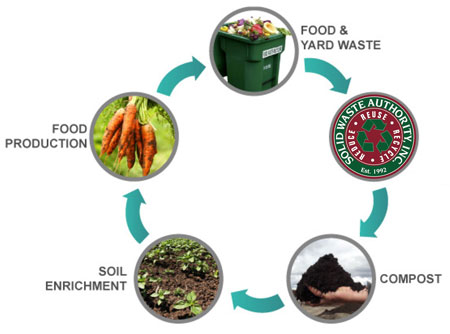

9.1 Food Waste Hierarchy (Best to Worst)
Prevention
Redistribution
Animal Feed
Composting
Energy Recovery
Landfill (last resort)
10. Reducing Food Waste at Household Level
Practical Actions:
Weekly meal planning
Smart shopping lists
Proper food storage
Freezing leftovers
Understanding food labels
11. Role of Technology in Reducing Food Waste
11.1 Artificial Intelligence
Demand forecasting
Smart inventory systems
11.2 Mobile Applications
Apps connect surplus food with consumers and charities.
11.3 Smart Packaging
Freshness indicators
Time-temperature sensors
12. Food Waste in Restaurants and Hospitality Industry
Over-portioning
Buffet culture
Menu inefficiencies
Solutions:
Smaller portion options
Waste audits
Donation partnerships
13. Corporate Responsibility and Food Waste
Leading food companies now adopt:
Zero-waste targets
Circular economy models
Transparency reporting
Retailers collaborating with food banks significantly reduce edible waste.
14. Food Redistribution and Food Banks
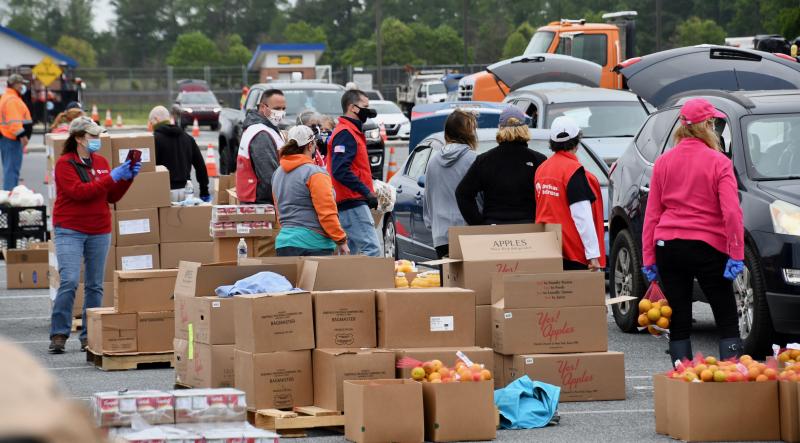

Food rescue organizations recover surplus food and redirect it to vulnerable populations, reducing both hunger and waste.
15. Policy, Regulation, and Global Initiatives
Examples:
Mandatory food donation laws
Tax incentives for surplus redistribution
National food waste strategies
Countries implementing legislation see measurable reductions in food waste.
16. Circular Economy and Food Waste Valorization
Food waste can become:
Compost
Biogas
Animal feed
Bio-based materials
This transforms waste into economic value.
17. Future Trends in Food Waste Reduction
AI-driven food systems
Blockchain traceability
Precision agriculture
Behavioral nudging
The future lies in prevention, not treatment.
18. How Businesses Can Build a Zero-Food-Waste Model
Key steps:
Measure waste
Redesign processes
Train staff
Partner with NGOs
Track impact
19. Education and Consumer Awareness
Food waste reduction starts with education:
Schools
Media campaigns
Community programs
Behavioral change is the most powerful tool.
20. Conclusion: Toward a World Without Food Waste
Food waste is not inevitable. It is the result of choices—systemic, corporate, and individual. Reducing food waste is one of the fastest, cheapest, and most effective solutions to fight climate change, hunger, and resource depletion.
By rethinking how we produce, distribute, and consume food, we can build a resilient, ethical, and sustainable food system for future generations.
🏷️ Primary Target Keyword
Food Waste
Secondary & Semantic Keywords
food loss and waste
global food waste
food waste causes
effects of food waste
food waste management
reducing food waste
food waste statistics
food waste solutions
sustainable food systems
food loss and waste
global food waste
food waste causes
effects of food waste
food waste management
reducing food waste
food waste statistics
food waste solutions
sustainable food systems
ما الفرق بين دروبشيبينغ والتسويق بالعمولة؟
التجارة الإلكترونية في الجزائر 2025
18 فائدة لريادة الأعمال:تعرف عليها


