


Arabic Cuisine: A Complete Professional Guide to History, Flavors, and Cultural Heritage
Arabic cuisine is one of the most diverse, flavorful, and historically rich culinary traditions in the world. Spanning from the Atlantic shores of North Africa to the Arabian Gulf, Arabic cuisine reflects centuries of trade, migration, agriculture, and cultural exchange. It combines bold spices, wholesome ingredients, and time-honored cooking techniques to create dishes that are both comforting and deeply symbolic.
In this comprehensive guide to Arabic cuisine, we will explore its origins, key ingredients, regional variations, iconic dishes, cooking techniques, desserts, beverages, health benefits, and its growing influence on global gastronomy. Whether you are a culinary enthusiast, a professional chef, or simply someone passionate about food culture, this in-depth article will provide you with exclusive insights into authentic Arabic food traditions.
1. The Historical Roots of Arabic Cuisine
Arabic cuisine has ancient roots that date back thousands of years. The culinary traditions of the Arab world were shaped by:
The agricultural civilizations of Mesopotamia and the Levant
Trade routes such as the Silk Road and Spice Route
Islamic dietary laws and hospitality traditions
Ottoman, Persian, Andalusian, and Mediterranean influences
Staples such as wheat, barley, dates, olives, and lamb formed the backbone of early Arabic food culture. The use of spices like cumin, coriander, cinnamon, and cardamom was introduced and expanded through trade networks that connected the Arab world to India, Africa, and Europe.
Over time, Arabic cuisine evolved into a refined culinary system that values balance, generosity, and communal dining.
2. Core Ingredients in Arabic Cuisine
One of the defining features of Arabic cuisine is its reliance on fresh, wholesome ingredients. These ingredients form the foundation of most traditional Arabic dishes.
Grains and Legumes
Wheat (used in bread, bulgur, couscous)
Rice
Lentils
Chickpeas
Fava beans
Meats and Proteins
Lamb
Chicken
Beef
Goat
Fish (in coastal regions)
Vegetables
Eggplant
Zucchini
Tomatoes
Okra
Spinach
Onions and garlic
Herbs and Spices
Cumin
Coriander
Sumac
Za’atar
Turmeric
Cinnamon
Cardamom
Fats and Oils
Olive oil
Ghee
Sesame oil (in some regions)
The balanced use of these ingredients gives Arabic cuisine its signature depth and warmth.
3. Regional Diversity of Arabic Cuisine
Arabic cuisine is not monolithic. It varies significantly from one region to another.
Levantine Cuisine (Lebanon, Syria, Jordan, Palestine)
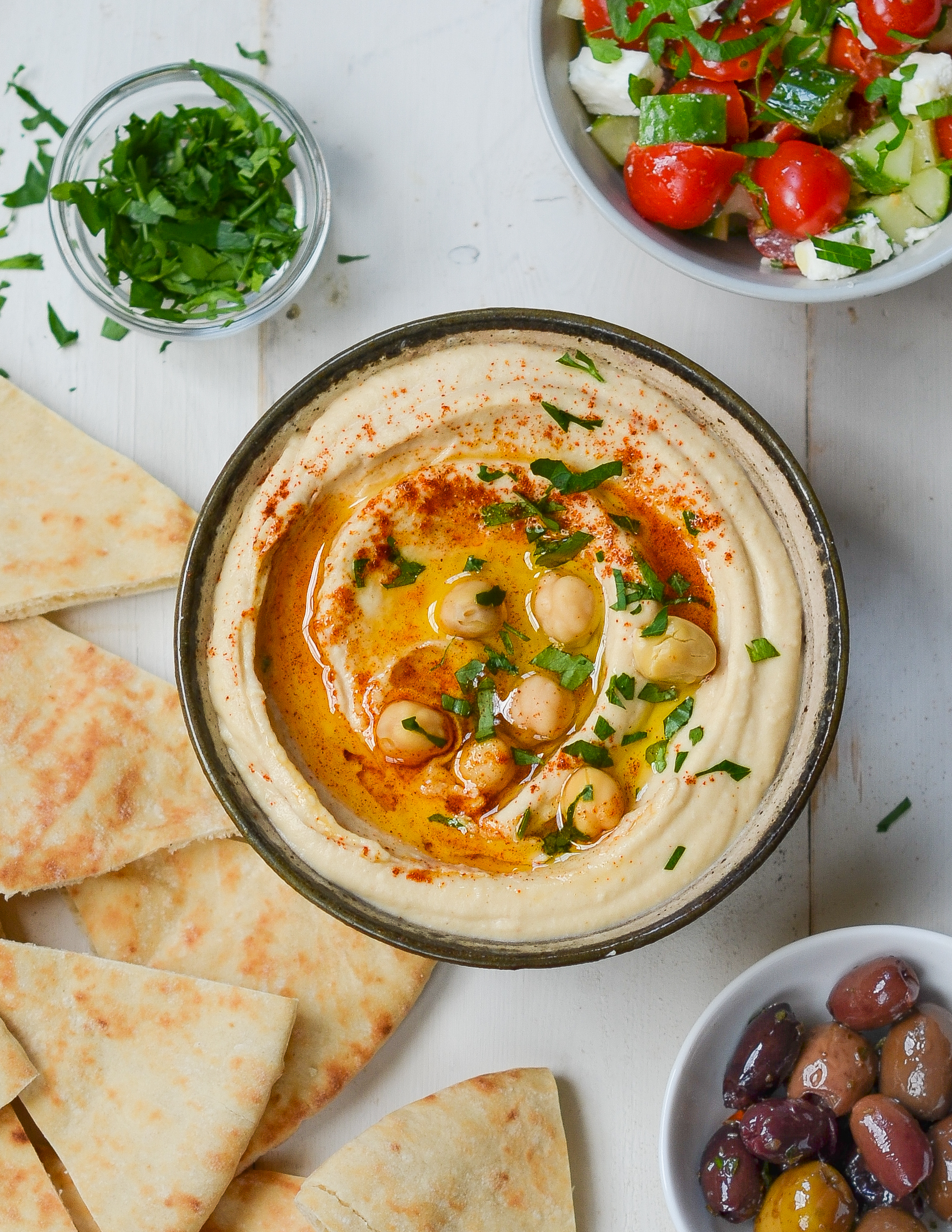

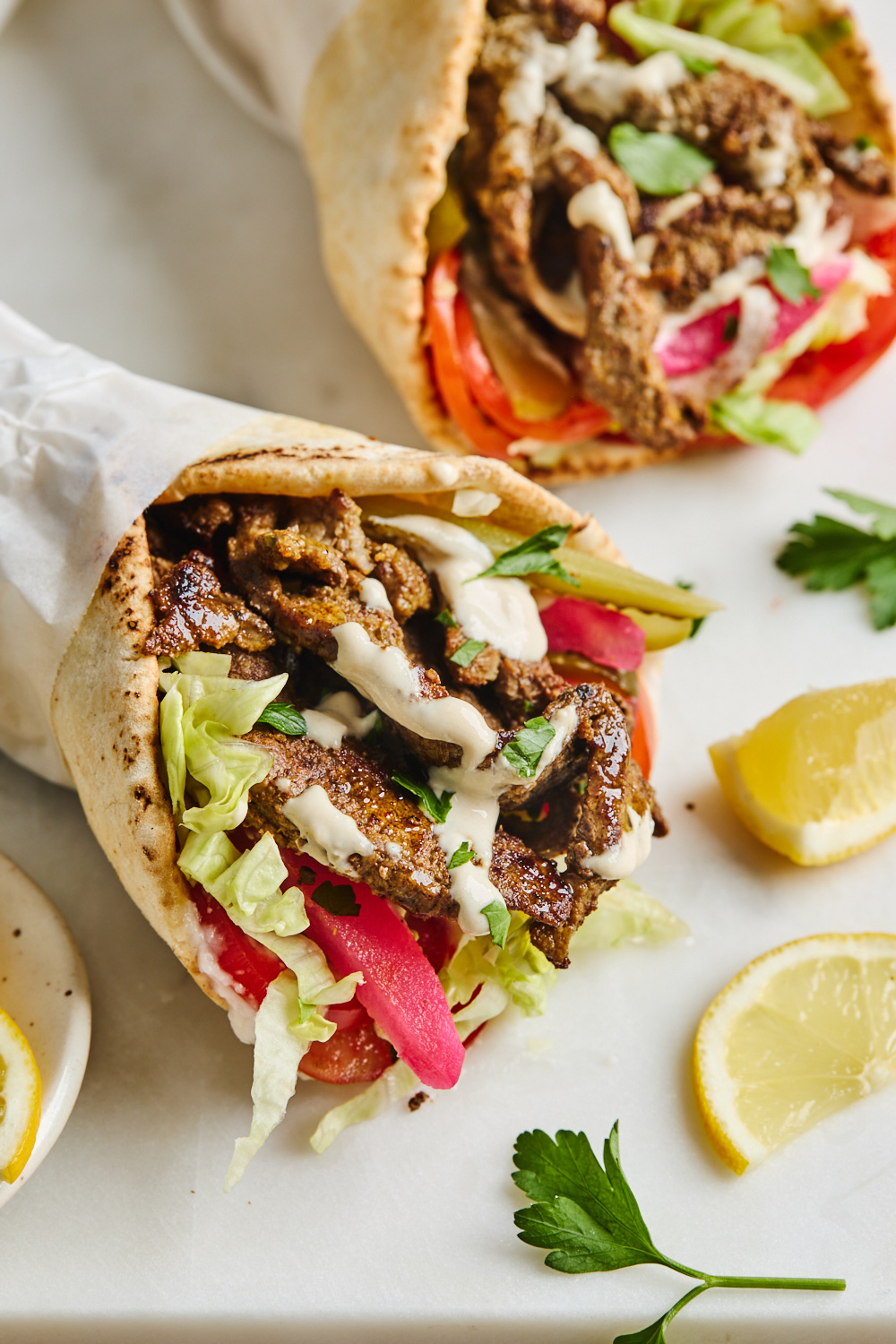

Levantine cuisine is known for its fresh herbs, olive oil, and mezze culture. Popular dishes include:
Hummus
Tabbouleh
Shawarma
Kibbeh
Meals often begin with mezze — small shared plates that encourage communal dining.
Gulf Cuisine (Saudi Arabia, UAE, Qatar, Kuwait)
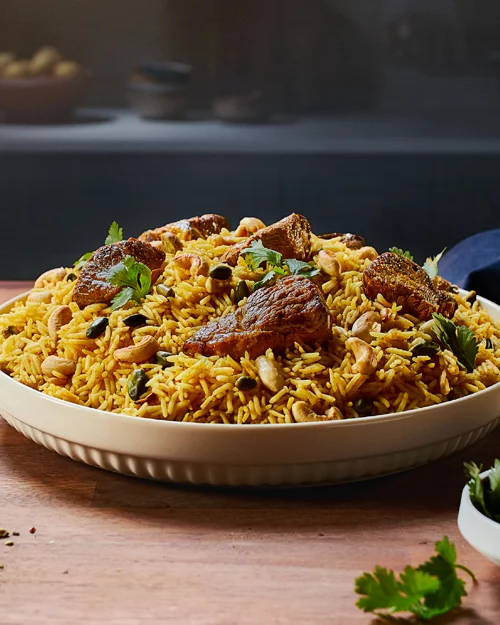
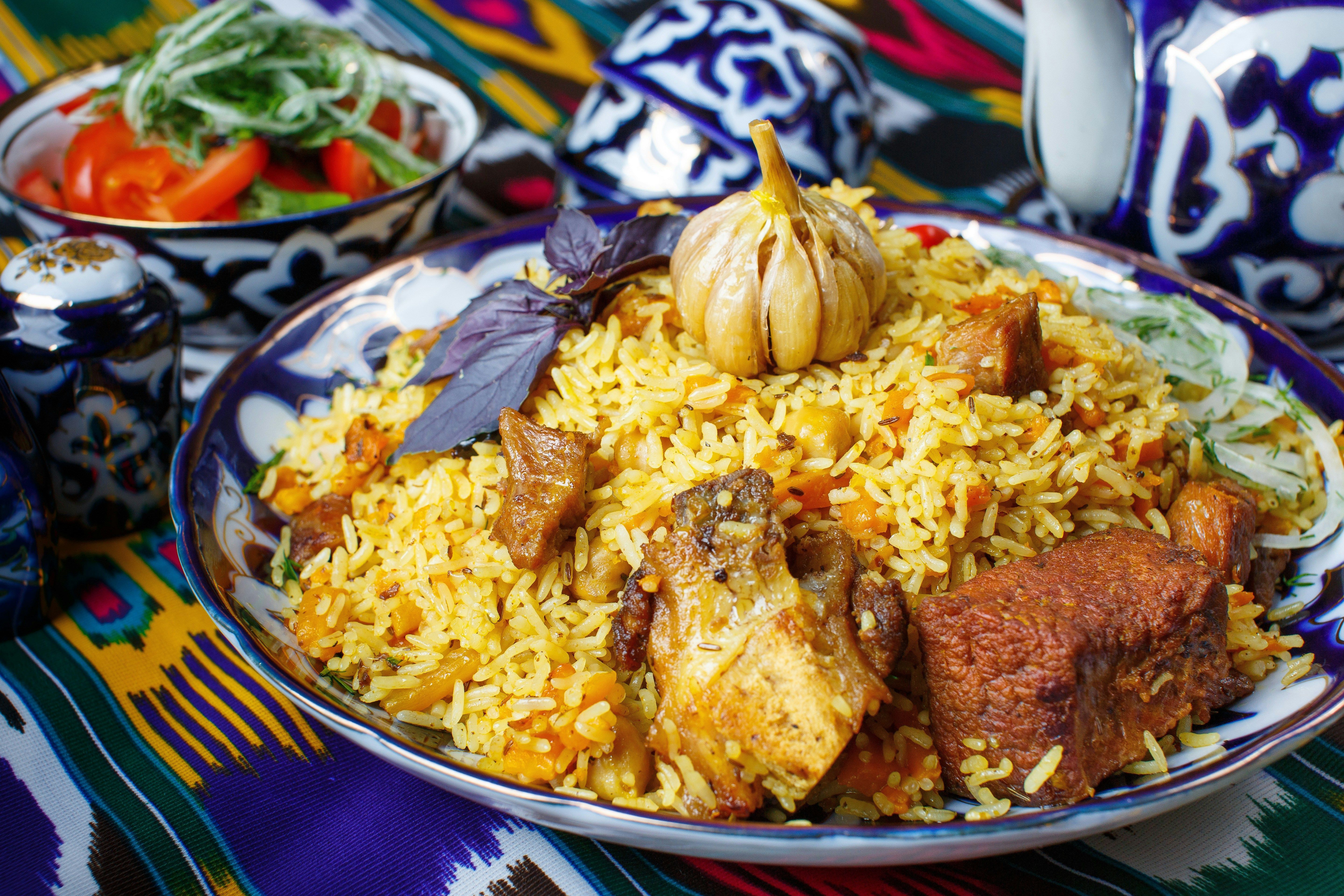
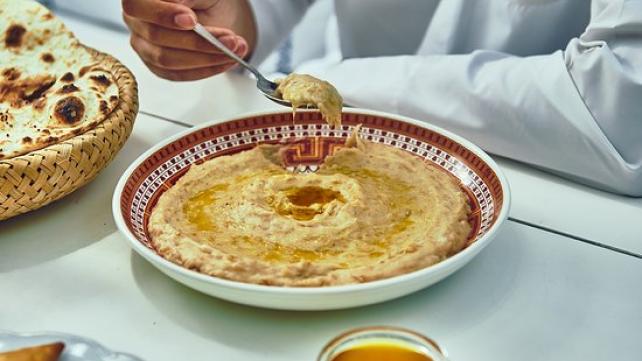
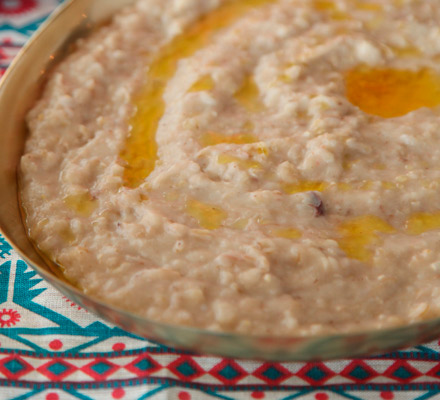
Gulf cuisine emphasizes rice dishes and aromatic spices. Signature dishes include:
Kabsa
Machboos
Harees
Luqaimat
These dishes often feature slow-cooked meat and fragrant basmati rice infused with cardamom and saffron.
North African Cuisine (Morocco, Algeria, Tunisia)

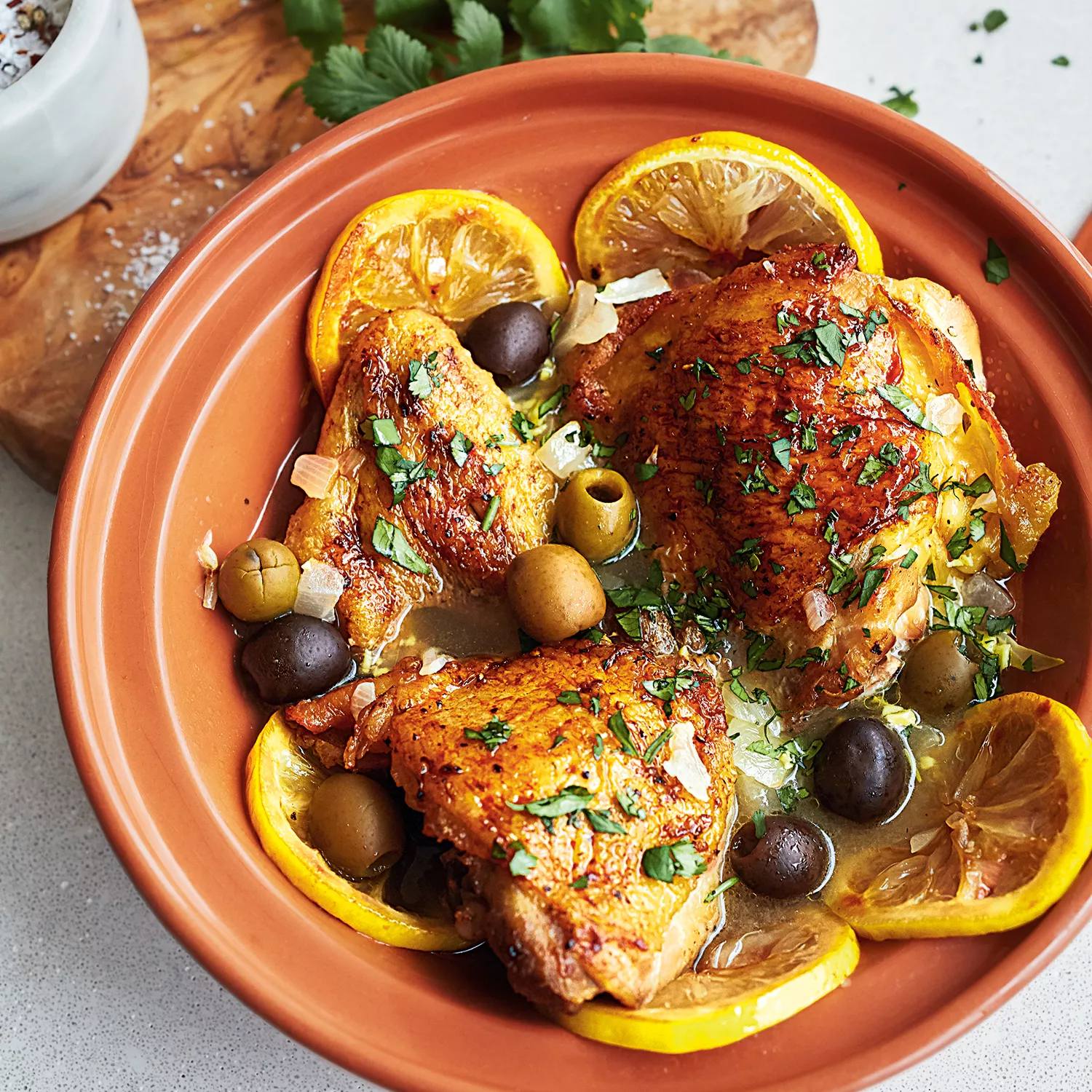

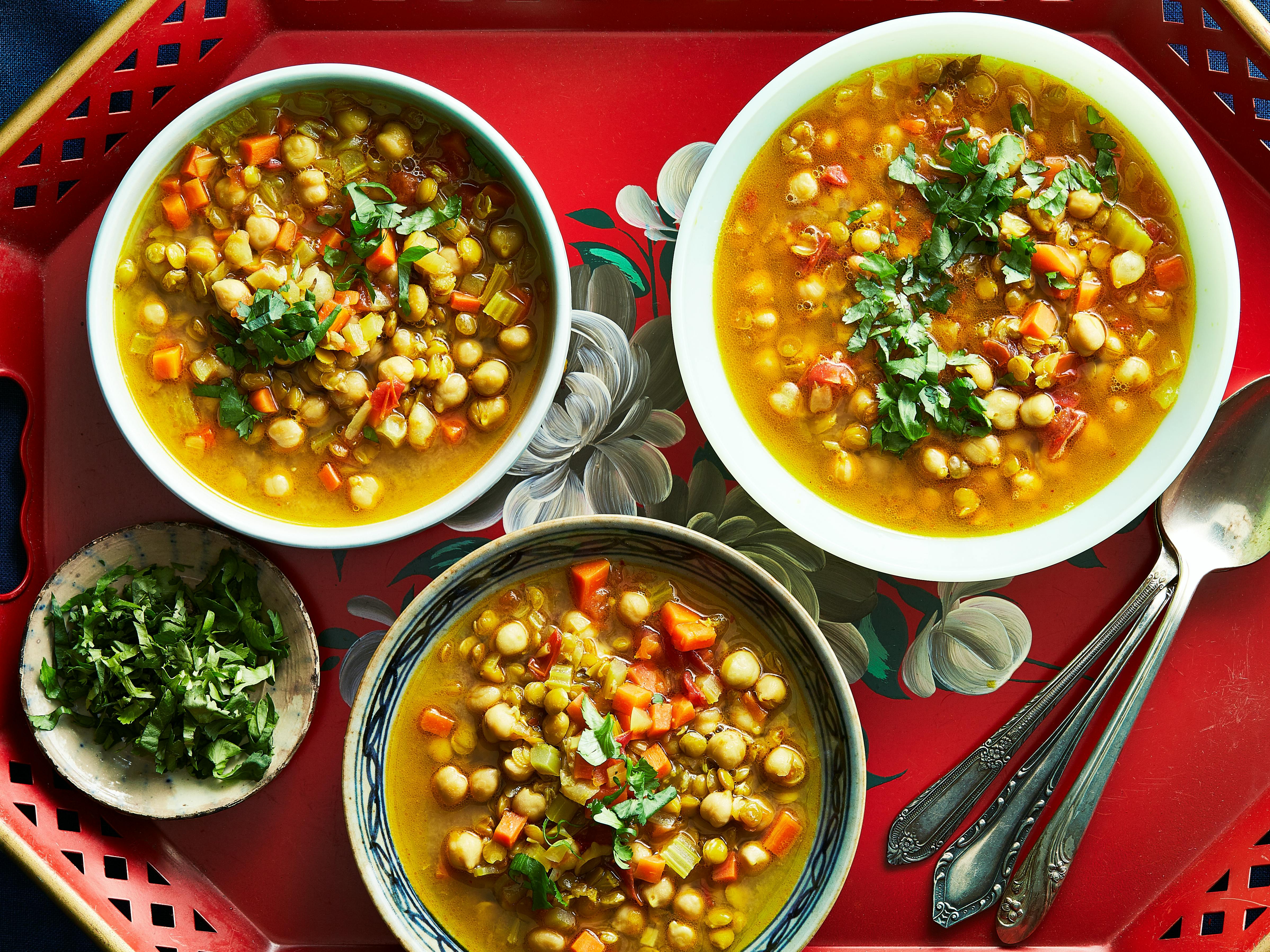
North African Arabic cuisine blends Berber, Arab, and Mediterranean influences. Famous dishes include:
Couscous
Tagine
Harira
Brik
Spices are more pronounced, and dishes often combine sweet and savory elements.
4. Iconic Dishes in Arabic Cuisine
4.1 Hummus
A creamy blend of chickpeas, tahini, lemon juice, and garlic, hummus is a cornerstone of Arabic cuisine and widely popular worldwide.
4.2 Kabsa
A national dish in Saudi Arabia, kabsa combines spiced rice with lamb or chicken and dried fruits.
4.3 Couscous
Steamed semolina grains served with vegetables and meat, central to North African Arabic cuisine.
4.4 Shawarma
Thinly sliced marinated meat roasted on a vertical spit, served in bread with garlic sauce and pickles.
4.5 Maqluba
A layered rice dish with meat and vegetables flipped upside down before serving.
5. Bread in Arabic Cuisine
Bread is sacred in Arabic food culture. It symbolizes sustenance and blessing.
Common types include:
Pita (khubz)
Markook
Tannour bread
Msemen (North Africa)
Bread is used to scoop dips, wrap meats, and accompany almost every meal.
6. Arabic Desserts and Sweets


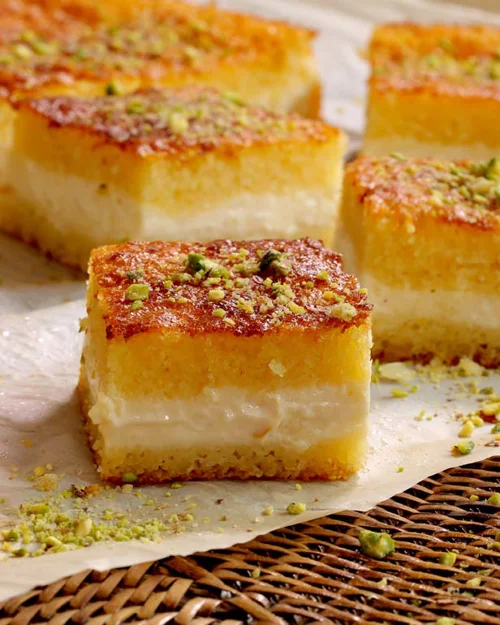
Arabic desserts are rich, aromatic, and often soaked in syrup.
Popular sweets:
Baklava
Kunafa
Basbousa
Qatayef
Rose water and orange blossom water are common flavor enhancers.
7. Traditional Cooking Techniques
Arabic cuisine relies on techniques such as:
Slow cooking
Grilling over charcoal
Steaming (for couscous)
Baking in clay ovens
Stuffing vegetables (mahshi)
These techniques preserve flavor while enhancing texture.
8. Hospitality and Food Culture
Hospitality is central to Arabic cuisine. Serving guests generously is considered an honor. Meals are typically:
Shared
Served family-style
Accompanied by Arabic coffee or tea
Food is deeply tied to religious and social occasions such as Ramadan and Eid.
9. Health Benefits of Arabic Cuisine
Arabic cuisine can be very nutritious when prepared traditionally.
Benefits include:
High fiber (legumes and grains)
Healthy fats (olive oil)
Rich antioxidants (herbs and spices)
Lean proteins
The Mediterranean-influenced regions are especially heart-healthy.
10. Arabic Beverages
Traditional drinks include:
Arabic coffee (Gahwa)
Mint tea
Tamarind juice
Jallab
Ayran (yogurt drink)
Coffee ceremonies hold cultural significance, especially in the Gulf.
11. Arabic Cuisine in the Modern World
Today, Arabic cuisine is gaining global recognition. Restaurants specializing in Middle Eastern food are expanding across Europe, North America, and Asia.
Chefs are modernizing classic dishes while preserving authenticity. Fusion cuisine is blending Arabic flavors with global techniques.
12. The Future of Arabic Cuisine
Arabic cuisine continues to evolve. There is growing interest in:
Plant-based Arabic dishes
Sustainable cooking practices
Organic olive oil production
Culinary tourism in Arab countries
As global food trends shift toward authenticity and tradition, Arabic cuisine stands as a timeless culinary heritage.
Conclusion
Arabic cuisine is more than a collection of recipes — it is a reflection of history, geography, faith, and identity. From mezze tables in the Levant to fragrant rice dishes of the Gulf and spice-rich tagines of North Africa, Arabic cuisine offers an extraordinary culinary journey.
With its balance of flavors, emphasis on hospitality, and deep cultural roots, Arabic cuisine remains one of the world’s most treasured gastronomic traditions. Whether enjoyed in a traditional home or a modern restaurant, its essence continues to unite people around the table.


