


Dictionary vs. Lexicon vs. Atlas vs. Encyclopedia: A Comprehensive Guide to Their Definitions, Uses, and Key Differences
Introduction
Understanding the differences between a dictionary, a lexicon, an atlas, and an encyclopedia is essential for students, researchers, educators, writers, and professionals. Although these reference tools are often grouped together as “reference books,” each serves a distinct purpose, follows a unique structure, and supports different types of knowledge acquisition.
This comprehensive, SEO-optimized guide explores their definitions, historical development, structural organization, content focus, real-world applications, and digital transformation. By the end of this article, you will clearly understand how these four knowledge tools differ—and when to use each one effectively.
1. What Is a Dictionary?


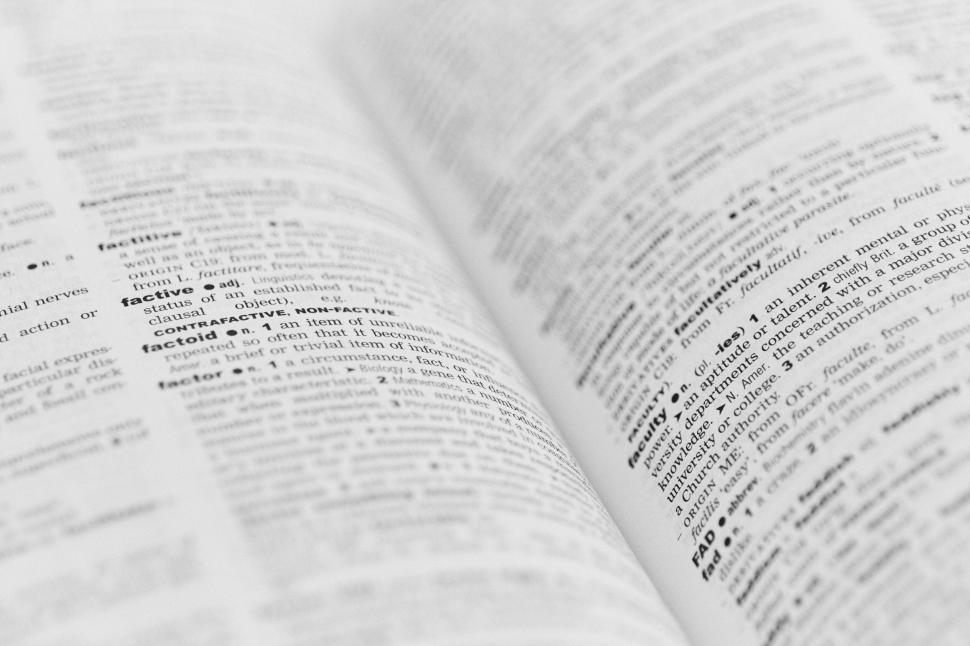
A dictionary is a structured reference book (or digital database) that lists words in alphabetical order and provides information about their meanings, pronunciation, grammatical category, etymology, and usage.
1.1 Definition
A dictionary is primarily concerned with words. It answers questions such as:
What does this word mean?
How is it pronounced?
How is it spelled?
What part of speech is it?
Where does it come from?
Examples include the Oxford English Dictionary and Merriam-Webster Dictionary.
1.2 Structure of a Dictionary
A typical dictionary entry includes:
Headword
Phonetic transcription
Part of speech
Definitions (sometimes multiple)
Example sentences
Etymology
Synonyms and antonyms
1.3 Purpose of a Dictionary
The primary purpose of a dictionary is to:
Standardize language
Clarify meanings
Support accurate communication
Assist in writing and editing
Provide linguistic authority
1.4 Types of Dictionaries
General dictionaries
Bilingual dictionaries
Etymological dictionaries
Technical dictionaries
Learner’s dictionaries
Historical dictionaries
1.5 When to Use a Dictionary
Use a dictionary when you need:
Word definitions
Correct spelling
Pronunciation guidance
Grammar clarification
Word origins
2. What Is a Lexicon?

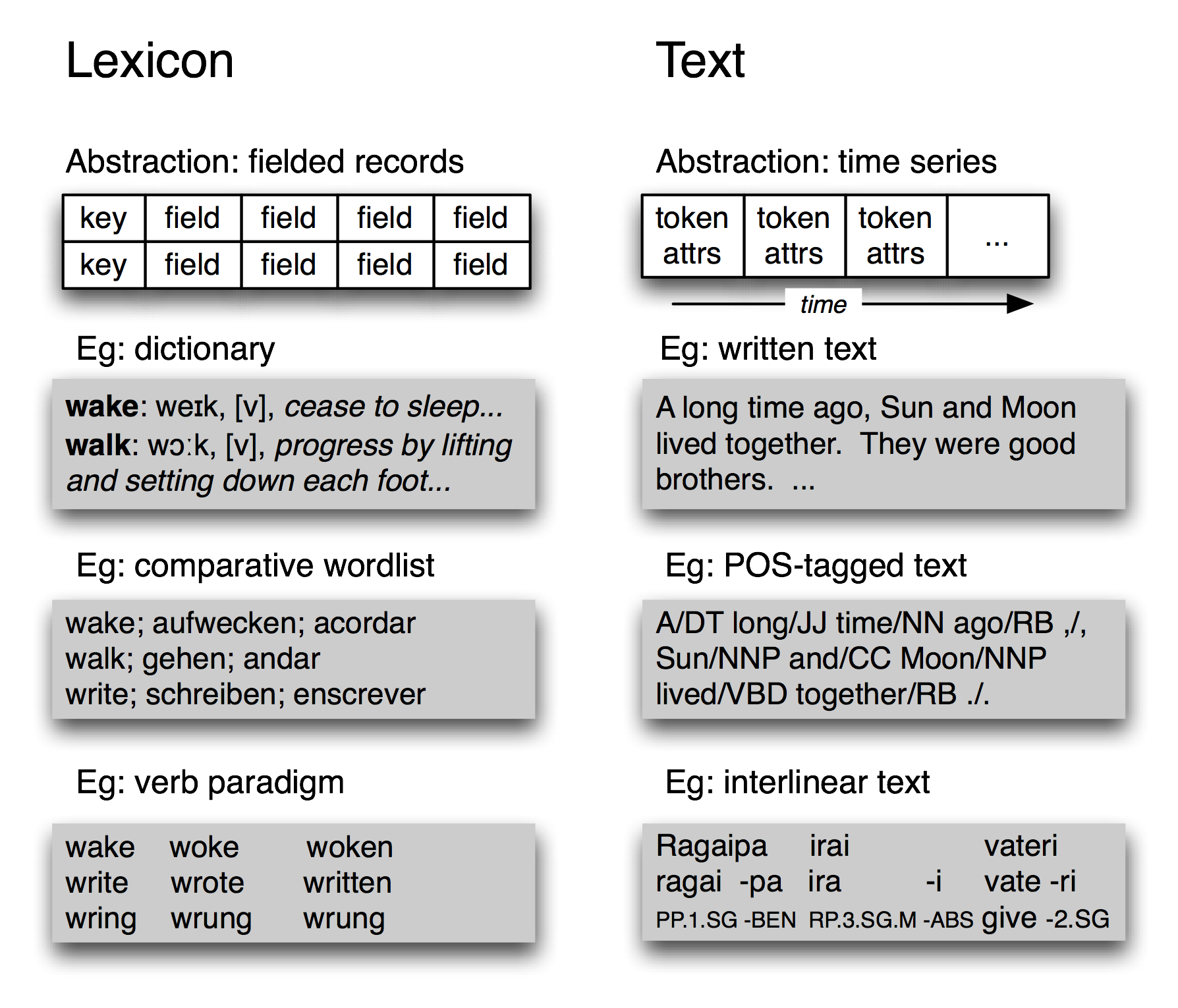

A lexicon refers to the complete vocabulary of a language, field, or individual. While it may resemble a dictionary, its scope and intent differ.
2.1 Definition
A lexicon is the total set of words and expressions used within:
A language (English lexicon)
A profession (medical lexicon)
A literary work
A specific era
An individual speaker
The word “lexicon” originates from Greek lexikon, meaning “of words.”
2.2 Lexicon vs Dictionary
While a dictionary is a published reference book, a lexicon may be:
A conceptual vocabulary system
A specialized glossary
A linguistic database
A scholarly compilation
2.3 Types of Lexicons
Linguistic lexicons
Theological lexicons
Legal lexicons
Computational lexicons
Personal mental lexicon
2.4 The Mental Lexicon
In psycholinguistics, the mental lexicon refers to the vocabulary stored in a person’s brain.
2.5 When to Use a Lexicon
Use a lexicon when:
Studying linguistic systems
Analyzing vocabulary trends
Researching specialized terminology
Building AI language models
3. What Is an Atlas?


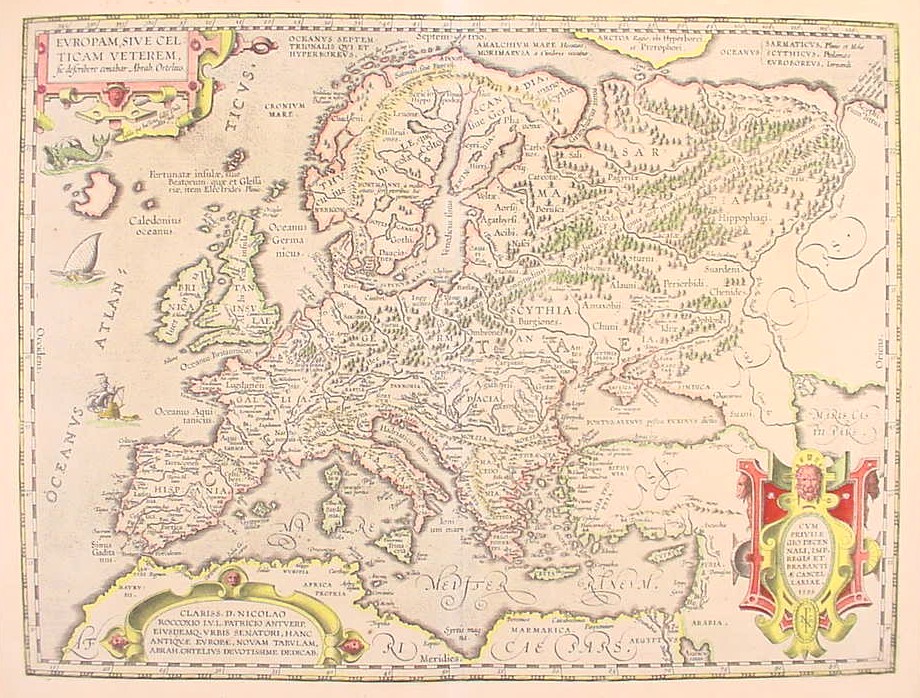
An atlas is a collection of maps systematically organized into a book or digital format.
3.1 Definition
An atlas provides geographical information through maps, charts, and spatial data representations.
The term “atlas” originated from Gerardus Mercator’s 16th-century map collection, referencing the mythological figure Atlas.
3.2 Types of Atlases
World atlases
Political atlases
Historical atlases
Thematic atlases
Road atlases
Example: Rand McNally World Atlas.
3.3 Structure of an Atlas
An atlas typically includes:
Political maps
Physical maps
Thematic maps
Statistical charts
Geographic index
3.4 Purpose of an Atlas
Visualize geographic data
Understand spatial relationships
Support navigation
Study geopolitics
Analyze demographic patterns
3.5 When to Use an Atlas
Use an atlas when you need:
Country locations
Borders and capitals
Terrain visualization
Climate distribution
Migration patterns
4. What Is an Encyclopedia?



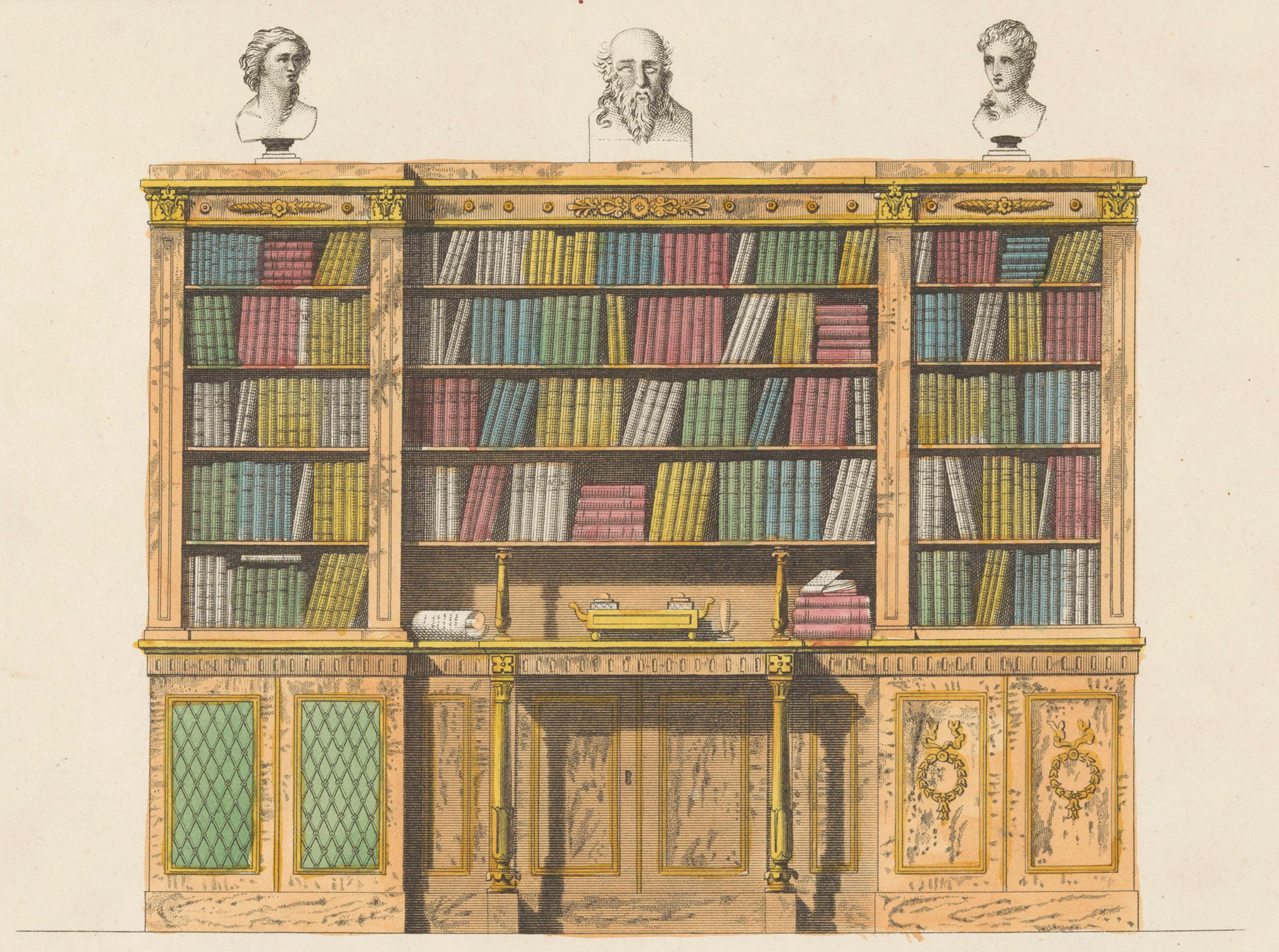
An encyclopedia is a comprehensive reference work containing detailed articles on a wide range of topics.
4.1 Definition
An encyclopedia provides broad and structured knowledge across multiple disciplines.
The name derives from Greek enkyklios paideia, meaning “general education.”
4.2 Structure of an Encyclopedia
Organized alphabetically or thematically
Written by experts
Includes bibliographies
Provides cross-references
Contains illustrations
Examples:
Encyclopaedia Britannica
Wikipedia
4.3 Purpose of an Encyclopedia
Offer in-depth explanations
Provide factual overviews
Support academic research
Introduce new subjects
Offer interdisciplinary insights
4.4 Types of Encyclopedias
General encyclopedias
Subject encyclopedias
Children's encyclopedias
Digital encyclopedias
4.5 When to Use an Encyclopedia
Use an encyclopedia when:
Researching a topic overview
Studying historical events
Learning about scientific concepts
Preparing academic papers
5. Core Differences Between Dictionary, Lexicon, Atlas, and Encyclopedia
5.1 Content Focus
Dictionary → Words
Lexicon → Vocabulary system
Atlas → Maps
Encyclopedia → Topics and knowledge
5.2 Information Depth
Dictionary: Concise
Lexicon: Conceptual or specialized
Atlas: Visual-spatial
Encyclopedia: Detailed and explanatory
5.3 Organization Style
Dictionary: Alphabetical by word
Lexicon: Thematic or structured vocabulary
Atlas: Geographic arrangement
Encyclopedia: Alphabetical or thematic by subject
5.4 Primary Users
Writers → Dictionary
Linguists → Lexicon
Geographers → Atlas
Researchers → Encyclopedia
6. Historical Development
6.1 Dictionaries
Early dictionaries appeared in ancient Mesopotamia as bilingual word lists. Modern dictionary development expanded in the 18th and 19th centuries.
6.2 Lexicons
Lexicons have roots in ancient Greek scholarship and religious studies.
6.3 Atlases
The first modern atlas was created in the 16th century.
6.4 Encyclopedias
The Encyclopédie (18th century France) marked a milestone in knowledge compilation.
7. Digital Transformation
7.1 Online Dictionaries
Real-time updates
Audio pronunciation
Usage frequency tracking
7.2 Digital Lexicons
AI language processing
NLP applications
Searchable corpora
7.3 Interactive Atlases
Satellite imagery
GPS integration
Geographic Information Systems
7.4 Online Encyclopedias
Collaborative editing
Multimedia integration
Instant updates
8. Educational Importance
Understanding the differences between a dictionary, a lexicon, an atlas, and an encyclopedia improves:
Research efficiency
Academic writing
Language mastery
Geographic literacy
Critical thinking skills
9. Practical Scenarios
Scenario 1: Writing an Essay
Use a dictionary for word meanings, and an encyclopedia for topic research.
Scenario 2: Studying Geography
Use an atlas for maps and an encyclopedia for country history.
Scenario 3: Linguistic Research
Use a lexicon to analyze vocabulary systems.
10. Comparison Table
| Feature | Dictionary | Lexicon | Atlas | Encyclopedia |
|---|---|---|---|---|
| Focus | Words | Vocabulary System | Maps | Topics |
| Organization | Alphabetical | Thematic | Geographic | Alphabetical |
| Purpose | Define words | Analyze vocabulary | Show geography | Explain knowledge |
| Depth | Concise | Specialized | Visual | Detailed |
11. Common Misconceptions
A lexicon is not simply another word for dictionary.
An atlas is not a book of country descriptions.
An encyclopedia does not focus on word definitions.
12. SEO Keyword Integration
Primary Keyword:
Differences between a dictionary, a lexicon, an atlas, and an encyclopedia
Secondary Keywords:
Dictionary vs encyclopedia
What is a lexicon?
What is an atlas?
Reference books comparison
Types of reference materials
Conclusion
The differences between a dictionary, a lexicon, an atlas, and an encyclopedia lie in their structure, purpose, depth, and informational focus. While all four serve as reference tools, they answer different types of questions and support distinct academic and professional needs.
Understanding when and how to use each ensures more efficient learning, clearer communication, and stronger research outcomes.
True Happiness in Islam: A Deep Journey of the Heart, Soul, and Mind
Healing for the Heart and Mind: The Endless Benefits of Listening to the Quran
Self-Development vs. Human Development: Concepts, Differences, Applications, and Future Perspectives


