


Advanced Chitin and Chitosan Biotechnology: Sustainable Biopolymers for Medicine, Agriculture, and Industry
Introduction to Chitin and Chitosan Biotechnology
Chitin and chitosan biotechnology represents one of the most dynamic sectors in modern biopolymer research, integrating marine biology, industrial biotechnology, green chemistry, and advanced material science. These natural polymers, derived primarily from crustacean shells, insects, and fungi, are transforming multiple industries—from pharmaceuticals and agriculture to environmental remediation and food technology.
The growing demand for biodegradable, non-toxic, and renewable biomaterials has propelled chitin and chitosan into the spotlight as sustainable alternatives to petroleum-based polymers. With increasing environmental regulations and consumer awareness, industries are rapidly shifting toward green biotechnology solutions, where chitin and chitosan serve as cornerstone materials.
This comprehensive guide explores the science, extraction methods, biotechnological modifications, industrial applications, market trends, and future directions of chitin and chitosan biotechnology.
What Is Chitin?
Definition and Chemical Structure
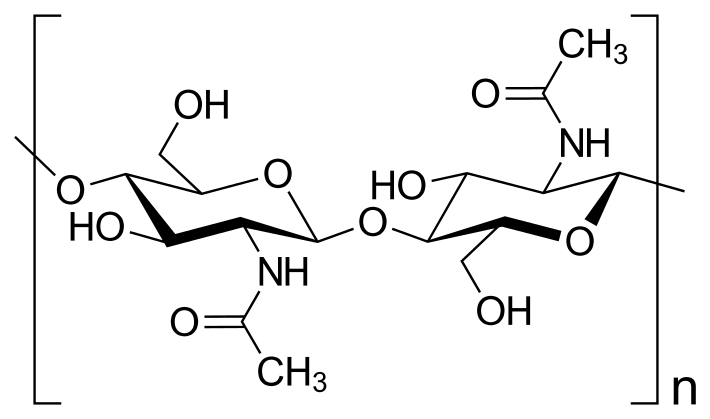
Chitin is a natural polysaccharide composed of β-(1→4)-linked N-acetyl-D-glucosamine units. Structurally similar to cellulose, it differs by the presence of an acetylated amino group, giving it unique physicochemical properties.
Chemical formula: (C8H13O5N)n
Chitin exists in three polymorphic forms:
α-Chitin (most abundant; strong hydrogen bonding)
β-Chitin (more reactive; found in squid pens)
γ-Chitin (mixed structure)
Natural Sources of Chitin
Crustaceans (shrimp, crab, lobster shells)
Fungal cell walls
Insect exoskeletons
Mollusks
Marine waste from seafood processing remains the primary commercial source, making chitin biotechnology closely linked with circular bioeconomy models.
What Is Chitosan?


Definition
Chitosan is a deacetylated derivative of chitin obtained through alkaline or enzymatic treatment. It is a linear cationic polysaccharide composed mainly of D-glucosamine units.
Unique Properties
Biodegradable
Biocompatible
Non-toxic
Antimicrobial
Film-forming ability
Chelating capacity
Mucoadhesive behavior
These properties make chitosan biotechnology exceptionally valuable in biomedical engineering and drug delivery systems.
Industrial Extraction of Chitin
1. Chemical Extraction Method
Traditional process involves:
Demineralization (HCl treatment)
Deproteinization (NaOH treatment)
Decolorization
Advantages:
High yield
Established industrial process
Limitations:
Harsh chemicals
Environmental impact
Polymer degradation
2. Biological Extraction (Green Biotechnology)
Modern chitin biotechnology increasingly relies on:
Lactic acid fermentation
Proteolytic enzymes
Microbial deproteinization
Benefits:
Reduced chemical waste
Higher molecular weight retention
Eco-friendly production
Chitosan Production Methods
Alkaline Deacetylation
Uses concentrated NaOH
High temperatures (100–120°C)
Degree of deacetylation (DD) determines functionality
Enzymatic Deacetylation
Chitin deacetylase enzymes
Controlled reaction
Higher uniformity
Biotechnologically advanced approach
The degree of deacetylation and molecular weight are critical parameters that influence:
Solubility
Viscosity
Bioactivity
Antimicrobial strength
Biotechnological Modifications of Chitosan
Advanced chitin and chitosan biotechnology includes chemical and enzymatic modifications:
1. Carboxymethyl Chitosan
Water-soluble
Enhanced wound healing
2. Quaternized Chitosan
Strong antimicrobial activity
Improved solubility
3. Nanochitosan
Particle size <100 nm
Used in targeted drug delivery
4. Grafted Chitosan Polymers
Controlled release fertilizers
Biomedical scaffolds
Biomedical Applications of Chitin and Chitosan Biotechnology



1. Wound Healing and Hemostasis
Chitosan accelerates:
Blood clotting
Tissue regeneration
Infection control
FDA-approved wound dressings use chitosan-based biomaterials.
2. Drug Delivery Systems
Chitosan nanoparticles provide:
Controlled drug release
Targeted therapy
Improved bioavailability
Mucoadhesion for oral and nasal delivery
Applications include:
Cancer therapy
Insulin delivery
Gene therapy
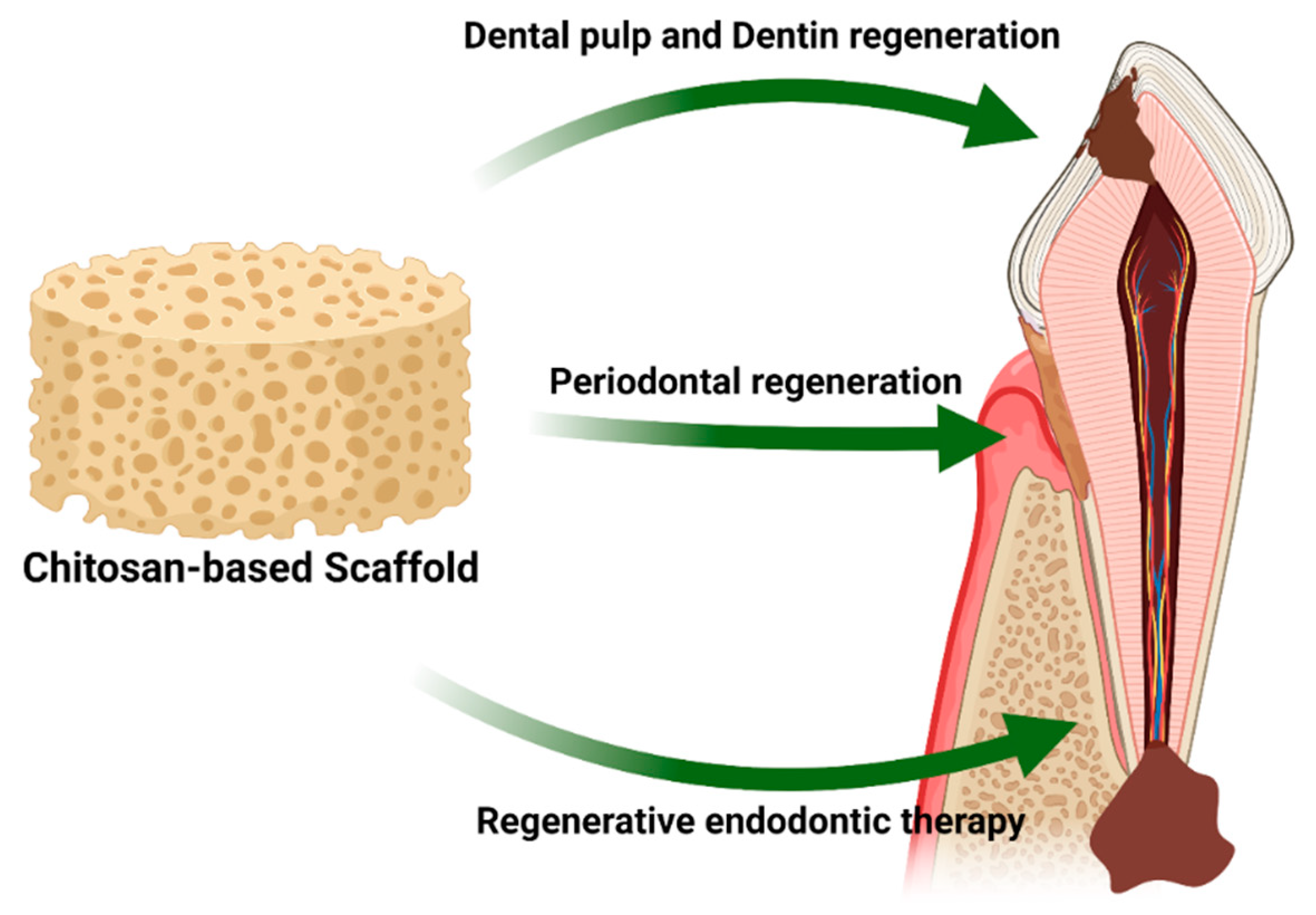
3. Tissue Engineering
Chitosan scaffolds support:
Bone regeneration
Cartilage repair
Skin substitutes
Combined with collagen or hydroxyapatite for enhanced performance.
4. Antimicrobial and Antifungal Applications
Chitosan disrupts microbial cell membranes due to its cationic charge.
Used in:
Surgical sutures
Coatings for medical devices
Antimicrobial films
Agricultural Applications of Chitin and Chitosan Biotechnology
1. Plant Growth Promoter
Chitosan acts as:
Biostimulant
Elicitor of plant defense mechanisms
Stress tolerance enhancer
2. Biopesticide and Antifungal Agent
Controls fungal pathogens
Reduces chemical pesticide dependence
Enhances crop resistance
3. Controlled Release Fertilizers
Chitosan-coated fertilizers:
Reduce nutrient loss
Improve nitrogen efficiency
Lower environmental pollution
Environmental Applications
1. Wastewater Treatment
Chitosan’s chelating ability removes:
Heavy metals (Pb, Cd, Hg)
Dyes
Organic pollutants
2. Carbon Capture and Adsorption
Modified chitosan adsorbents show promising CO₂ capture capabilities.
3. Biodegradable Packaging
Chitosan films:
Extend food shelf life
Provide antimicrobial packaging
Replace plastic materials
Food Industry Applications
1. Food Preservation
Edible coatings
Antimicrobial food wraps
Shelf-life extension
2. Clarification Agent
Used in:
Juice clarification
Wine stabilization
3. Functional Food Ingredient
Dietary fiber
Cholesterol-lowering supplement
Market Trends in Chitin and Chitosan Biotechnology
Global Growth Drivers
Circular bioeconomy
Seafood waste valorization
Sustainable materials demand
Green chemistry policies
Emerging Markets
Asia-Pacific (largest producer)
Europe (regulatory-driven growth)
North America (biomedical sector expansion)
The global chitosan market is projected to grow significantly due to increased demand in pharmaceutical and agricultural biotechnology sectors.
Sustainability and Circular Bioeconomy
Chitin biotechnology supports:
Marine waste recycling
Reduced landfill burden
Lower carbon footprint
Replacement of synthetic polymers
Crustacean shell waste (millions of tons annually) can be transformed into high-value bioproducts.
Challenges in Chitin and Chitosan Biotechnology
1. Standardization Issues
Variation in molecular weight
Inconsistent degree of deacetylation
2. Cost of Purification
High energy requirements
Chemical waste management
3. Regulatory Barriers
Medical approval processes
Food safety compliance
4. Scalability of Enzymatic Methods
Enzyme cost
Process optimization
Future Perspectives
1. Synthetic Biology Approaches
Genetically engineered microorganisms producing chitosan directly.
2. Fungal-Based Production
More sustainable than crustacean sources.
3. 3D Bioprinting Applications
Chitosan-based bioinks for regenerative medicine.
4. Smart Biomaterials
pH-responsive and stimuli-sensitive chitosan hydrogels.
Frequently Asked Questions (FAQ)
Is chitosan biodegradable?
Yes, it is completely biodegradable and environmentally friendly.
Is chitosan safe for human use?
It is biocompatible and widely used in medical and pharmaceutical applications.
What is the difference between chitin and chitosan?
Chitosan is derived from chitin via deacetylation and is more soluble and functional.
Can chitosan replace plastic?
In certain packaging and biomedical applications, yes.
Conclusion
Chitin and chitosan biotechnology stands at the intersection of sustainability, innovation, and industrial transformation. As global industries seek renewable and biodegradable alternatives, these marine-derived biopolymers provide scalable, multifunctional, and eco-friendly solutions.
From advanced drug delivery systems and regenerative medicine to sustainable agriculture and environmental remediation, chitosan applications are reshaping biotechnology’s future landscape.
With continuous advances in green extraction, enzymatic processing, nanoengineering, and synthetic biology, the next decade will likely witness unprecedented growth in chitin and chitosan biotechnology.
For researchers, entrepreneurs, and industry leaders, investing in chitin-based biomaterials is not only scientifically promising but economically strategic in a sustainability-driven global economy.
كل ما يخص الكيمياء: تاريخها، فروعها، تطبيقاتها، وابتكاراتها المستقبلية
الكيمياء الغذائية: علمٌ يفسّر الطعام من الجزيء إلى الصناعة
العلوم البيولوجية: الدليل الشامل الأمثل للحياة والأنظمة والابتكار
Biological Sciences Explained: A Complete Expert Guide to the Science of Life
علوم الأرض: دليلٌ شاملٌ لفهم كوكبنا الديناميكي
Primary Keywords
Chitin and chitosan biotechnology
Chitosan applications
Chitin extraction
Chitosan production methods
Biopolymer biotechnology
Marine biopolymers
Biomedical chitosan
Sustainable biomaterials
Secondary Keywords
Fungal chitin
Nanochitosan
Enzymatic deacetylation
Biodegradable polymers
Drug delivery systems
Agricultural biostimulants
Waste valorization


