


The Difference Between Agricultural Biology and Organic Farming: A Comprehensive Scientific and Practical Guide
Introduction
Understanding the difference between agricultural biology and organic farming is essential for researchers, policymakers, farmers, agribusiness investors, and environmentally conscious consumers. Although both fields aim to improve agricultural productivity and sustainability, they operate from fundamentally different scientific, technological, and philosophical frameworks.
Agricultural biology is a broad scientific discipline rooted in life sciences and biotechnology. It focuses on understanding plant, animal, microbial, and ecosystem biology to enhance productivity, resilience, and efficiency. Organic farming, on the other hand, is a production system guided by ecological principles, natural inputs, and certification standards that prohibit synthetic chemicals and genetically modified organisms.
In this in-depth article, we explore the scientific foundations, production methods, environmental implications, economic considerations, regulatory frameworks, and long-term sustainability impact of both agricultural biology and organic farming.
1. What Is Agricultural Biology?


Definition of Agricultural Biology
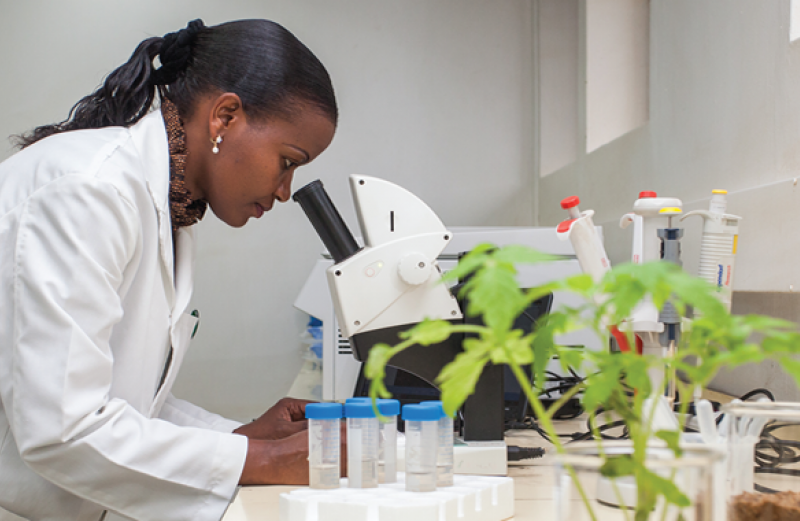
Agricultural biology is a multidisciplinary scientific field that applies biological sciences to agricultural systems. It integrates:
Plant biology
Animal biology
Microbiology
Molecular genetics
Soil biology
Biotechnology
Ecology
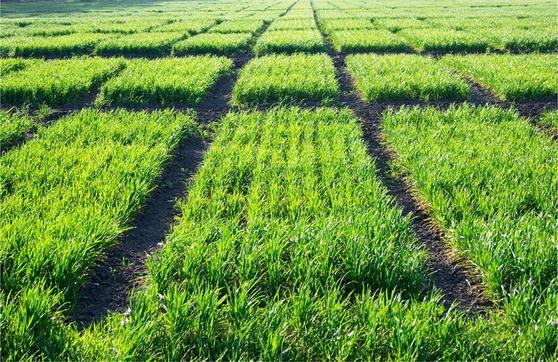
The core objective of agricultural biology is to enhance agricultural productivity, disease resistance, genetic performance, and environmental adaptation through scientific innovation.
Core Areas of Agricultural Biology
Plant Genetics and Breeding
Molecular Biology and Genomics
Agricultural Biotechnology
Soil Microbial Ecology
Plant Pathology
Animal Biotechnology
Bioinformatics in Agriculture
Agricultural biology often includes advanced technologies such as:
CRISPR gene editing
Genetic modification (GM crops)
Marker-assisted selection
Biofertilizers and biopesticides
Synthetic biology
It is science-driven, research-intensive, and innovation-oriented.
2. What Is Organic Farming?


Definition of Organic Farming
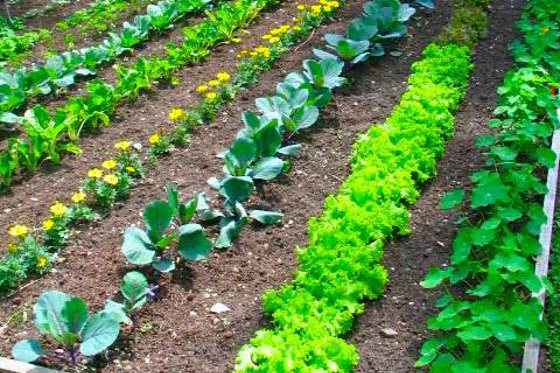
Organic farming is an agricultural production system that emphasizes ecological balance, biodiversity, soil health, and natural inputs. It avoids synthetic fertilizers, pesticides, herbicides, growth hormones, and genetically modified organisms.
Organic farming is guided by certification standards established by international and national bodies such as:
IFOAM – Organics International
USDA
European Commission
Core Principles of Organic Farming
According to IFOAM, organic farming is built on four principles:
Health
Ecology
Fairness
Care
Organic farming relies on:
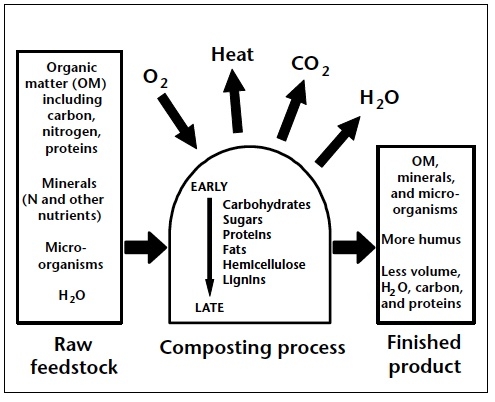
Compost and manure
Crop rotation
Cover cropping
Biological pest control
Natural fertilizers
Ecological biodiversity
Unlike agricultural biology, organic farming is not primarily a laboratory-based scientific discipline; it is a certified agricultural production system.
3. Fundamental Difference Between Agricultural Biology and Organic Farming
3.1 Nature of the Discipline
| Agricultural Biology | Organic Farming |
|---|---|
| Scientific discipline | Farming system |
| Research-oriented | Production-oriented |
| Includes biotechnology | Prohibits GMOs |
| Focuses on biological innovation | Focuses on natural ecological balance |
3.2 Use of Genetic Engineering
One of the clearest differences lies in genetic modification.
Agricultural biology may develop genetically modified crops such as those used globally, including innovations pioneered by companies like Monsanto (now part of Bayer).
Organic farming strictly prohibits genetically modified organisms (GMOs).
3.3 Inputs and Chemical Use
Agricultural biology:
May develop synthetic fertilizers.
Studies pesticide resistance.
Designs improved agrochemicals.
Develops bioengineered seeds.
Organic farming:
Allows only natural fertilizers.
Uses compost and manure.
Encourages biological pest control.
Restricts synthetic chemical use.
3.4 Certification and Regulation
Organic farming is regulated and certified.
Agricultural biology is not a certification system — it is a scientific field applied across all agricultural systems (including conventional, organic, and integrated farming).
4. Scientific Foundations: Deep Comparison
4.1 Agricultural Biology: Research-Based Innovation
Agricultural biology uses:
Molecular markers
Genomic sequencing
Laboratory tissue culture
Microbial engineering
Precision breeding
It is often conducted in research institutions such as:
FAO
CGIAR
The focus is productivity, resilience, and efficiency.
4.2 Organic Farming: Agroecological System
Organic farming draws heavily from agroecology, soil science, and traditional knowledge systems.
It prioritizes:
Soil organic matter
Biodiversity
Carbon sequestration
Natural nutrient cycles
Ecosystem services
It does not reject science but restricts technological interventions that conflict with its standards.
Differences Between Algerian and Moroccan Argan Trees: A Comparative Academic Review
Argan Biotechnology: Science, Innovation, and Sustainable Valorization of Argania spinosa
الأهمية الاجتماعية والاقتصادية لشجرة الأرغان(Argania spinosa)
5. Environmental Impact Comparison
5.1 Agricultural Biology
Positive Impacts:
Drought-resistant crops
Pest-resistant varieties
Reduced yield losses
Efficient nitrogen use
Potential Concerns:
Monoculture risks
GMO ethical debates
Over-reliance on biotech corporations
5.2 Organic Farming
Positive Impacts:
Increased soil biodiversity
Reduced chemical runoff
Lower pesticide residues
Enhanced ecosystem balance
Limitations:
Lower yields (in some contexts)
Higher land requirements
Greater labor intensity
6. Economic Differences
Agricultural Biology Economics
High R&D investment
Intellectual property rights
Seed patents
Corporate-driven innovation
Major global biotech players include:
Syngenta
Corteva
Organic Farming Economics
Premium market pricing
Certification costs
Smaller-scale production (often)
Consumer trust-driven demand
Organic markets are expanding rapidly in Europe and North America.
7. Technological Approach
Agricultural Biology:
Precision agriculture
AI-based crop monitoring
Genomic prediction models
CRISPR gene editing
Organic Farming:
Manual weed control
Ecological monitoring
Companion planting
Biological insect control
8. Soil Health Approach
Agricultural biology studies:
Microbial consortia
Rhizosphere interactions
Mycorrhizal symbiosis
Soil enzyme activity
Organic farming applies:
Composting systems
Green manure
Crop rotations
Reduced soil disturbance
9. Long-Term Sustainability Perspective
Agricultural biology seeks technological solutions to food security.
Organic farming seeks ecological resilience and regenerative cycles.
Both contribute differently to sustainability:
Agricultural biology increases efficiency.
Organic farming enhances ecological integrity.
10. Global Food Security Role
With the global population projected to reach nearly 10 billion, the debate intensifies:
Can organic farming alone feed the world?
Can biotechnology ensure sustainable production without ecological harm?
Organizations like World Bank and FAO support integrated approaches combining science and sustainability.
11. Ethical and Social Dimensions
Agricultural Biology:
Debate over corporate control.
Intellectual property ethics.
Bioengineering transparency.
Organic Farming:
Community-based agriculture.
Fair trade principles.
Ethical production systems.
12. Are They Opposites?
No.
Some agricultural biology research directly benefits organic farming, such as:
Biofertilizer development
Biological pest control research
Soil microbiome enhancement
13. Integrated Future: The Hybrid Model
The future of agriculture likely lies in:
Sustainable biotechnology
Regenerative organic systems
Climate-resilient crop science
Reduced chemical dependency
Smart ecological management
Rather than choosing one over the other, modern agriculture may combine the strengths of both.
14. Conclusion
The difference between agricultural biology and organic farming lies in their nature, objectives, and applications.
Agricultural biology is a scientific discipline that leverages biotechnology, genetics, microbiology, and innovation to enhance productivity and resilience.
Organic farming is a certified ecological production system that prioritizes natural inputs, biodiversity, soil health, and environmental protection.
Both systems contribute uniquely to modern agriculture. One drives technological progress; the other safeguards ecological balance.
Understanding their differences enables informed decisions for farmers, researchers, investors, and policymakers seeking sustainable agricultural development in the 21st century.
SEO Keywords Included
Difference between agricultural biology and organic farming
Agricultural biology vs organic farming
What is agricultural biology
What is organic farming
Agricultural biotechnology
Organic agriculture principles
Sustainable agriculture systems
GMO vs organic farming
Soil health in organic farming
Biotechnology in agriculture


