


Healthy Ramadan Breakfasts: The Ultimate Expert Guide to Nourishing, Energizing Iftar Meals
Introduction
Healthy Ramadan breakfasts are more than just a meal after sunset—they are a crucial foundation for restoring energy, stabilizing blood sugar, improving digestion, and preparing the body for night prayers and the next day’s fast. After long fasting hours, the body requires carefully selected nutrients, balanced hydration, and mindful portion control.
This comprehensive expert guide explores everything you need to know about healthy Ramadan breakfasts, including nutritional science, traditional foods with modern upgrades, meal plans, hydration strategies, weight management tips, and practical recipes. Whether your goal is sustained energy, digestive comfort, or maintaining a healthy weight during Ramadan, this article will serve as your complete roadmap.
20 Powerful Benefits of Dhikr in Islam
20 فائدة عظيمة للذكر في الإسلام
فوائد الصدقة الجارية: أثرٌ دائمٌ يتجاوز العطاء
15فائدة روحية للصيام في ضبط النفس وتقوية الإرادة
Why Healthy Ramadan Breakfasts Matter
During Ramadan, the body undergoes metabolic adjustments. After 12–16 hours of fasting:
Blood sugar levels drop
Glycogen stores are depleted
Mild dehydration occurs
Digestive enzymes slow down
Breaking the fast improperly—especially with heavy fried foods and sugary desserts—can cause:
Sudden blood sugar spikes
Fatigue
Bloating
Acid reflux
Weight gain
A healthy Ramadan breakfast helps:
✔ Stabilize blood sugar
✔ Rehydrate the body
✔ Restore electrolyte balance
✔ Support digestion
✔ Maintain lean muscle
✔ Improve concentration during Taraweeh prayers
The Science Behind Breaking the Fast
The body enters a mild fasting metabolism during Ramadan. Here’s what happens:
1. Glycogen Depletion
The liver uses stored glycogen for energy. By sunset, reserves are low.
2. Increased Fat Utilization
The body begins using fat as fuel.
3. Insulin Sensitivity Improves
After fasting, insulin sensitivity increases—making it important to avoid sugar overload.
4. Digestive Rest
The digestive system slows down during fasting. Overloading it can cause discomfort.
That is why healthy Ramadan breakfasts should be:
Gradual
Balanced
Moderate
Nutrient-dense
The Ideal Structure of a Healthy Ramadan Breakfast (Iftar)
A balanced Iftar meal includes:
Natural sugars (to gently raise blood glucose)
Hydration
Lean protein
Complex carbohydrates
Healthy fats
Fiber
Micronutrients
Step 1: Breaking the Fast the Sunnah Way


Breaking the fast traditionally with dates and water provides:
Natural glucose and fructose
Potassium
Magnesium
Fiber
Quick energy without shock to the system
Recommended:
1–3 dates
1–2 glasses of water
Wait 10–15 minutes before eating the main meal.
Step 2: Hydration Strategy for Healthy Ramadan Breakfasts



Proper hydration prevents:
Headaches
Constipation
Fatigue
Muscle cramps
Best hydration options:
Water (room temperature)
Lemon water
Cucumber-mint water
Herbal teas (chamomile, ginger, mint)
Water-rich fruits (watermelon, oranges)
Avoid:
Sugary juices
Soda
Excess caffeine
Step 3: Soup – The Gentle Digestive Starter


Soup helps:
Rehydrate
Warm the stomach
Prepare digestion
Provide electrolytes
Healthy options:
Lentil soup
Vegetable soup
Chicken barley soup
Moroccan harira (light version)
Step 4: The Balanced Main Plate


Your plate should include:
1. Lean Protein (25–30%)
Grilled chicken
Fish
Lentils
Chickpeas
Greek yogurt
2. Complex Carbohydrates (25%)
Brown rice
Quinoa
Whole wheat bread
Oats
3. Vegetables (40–50%)
Steamed
Roasted
Fresh salad
4. Healthy Fats (Small Portion)
Olive oil
Avocado
Nuts
Seeds
Top 10 Healthy Ramadan Breakfast Recipes
1. Lentil & Vegetable Soup
Rich in plant protein and fiber.
2. Grilled Salmon with Brown Rice
Omega-3 supports brain function during fasting.
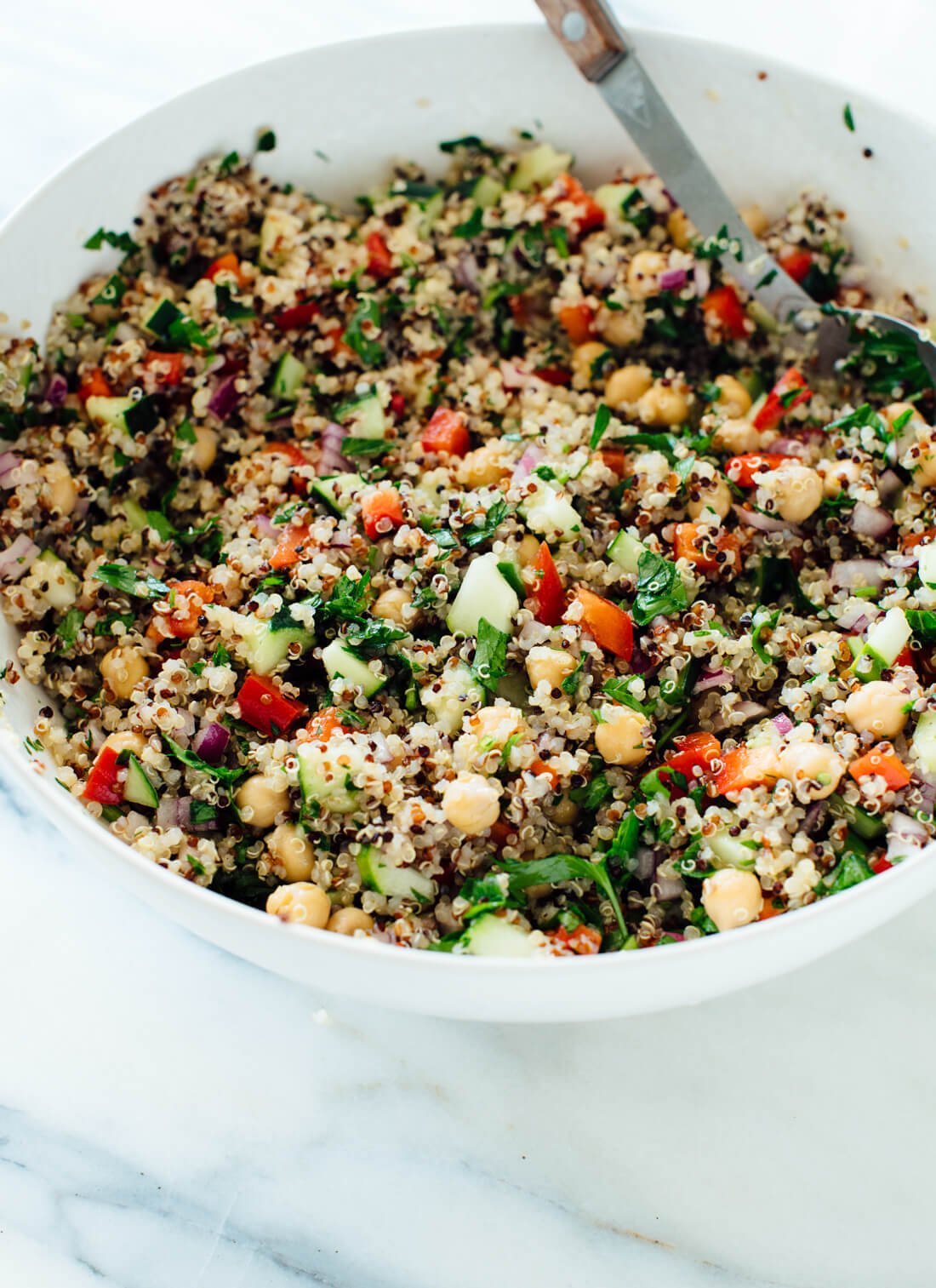
3. Quinoa Chickpea Salad
High in protein and magnesium.
4. Stuffed Bell Peppers (Lean Turkey)
Low carb and satisfying.
5. Baked Sambousek (Air-Fried Version)
Healthier alternative to fried versions.
6. Greek Yogurt with Berries
Excellent probiotic support.
7. Oatmeal Energy Bowl (For Light Iftar)
For those preferring small meals.
8. Chicken & Vegetable Stir-Fry
Low oil, high nutrient.
9. Whole Wheat Pasta with Tomato Sauce
Better than creamy sauces.
10. Fruit & Nut Dessert Plate
Instead of syrup-soaked sweets.
Foods to Avoid in Ramadan Breakfast
❌ Deep-fried foods
❌ Sugary drinks
❌ Heavy desserts immediately after Iftar
❌ Processed meats
❌ Excess white bread
These cause:
Blood sugar crash
Fatigue
Weight gain
Bloating
Healthy Ramadan Breakfast for Weight Loss
Key principles:
Portion control
High protein intake
Low refined carbs
Avoid second servings
Stop eating at 80% fullness
Sample Weight-Loss Iftar:
2 dates + water
Lentil soup
Grilled chicken breast
Large salad with olive oil
Small portion quinoa
Healthy Ramadan Breakfast for Diabetics
Important considerations:
Avoid fruit juices
Limit dates to 1
Pair carbs with protein
Monitor glucose
Best choices:
Vegetable soup
Grilled fish
Brown rice (small portion)
Leafy greens
Consult a physician before fasting.
Healthy Ramadan Breakfast for Athletes
Include:
Higher protein
Electrolytes
Complex carbs
Post-Iftar light workout
Example:
Dates
Chicken soup
Grilled salmon
Sweet potato
Spinach salad
Weekly Healthy Ramadan Breakfast Plan
Day 1
Lentil soup + grilled chicken + brown rice + salad
Day 2
Vegetable soup + baked fish + quinoa + roasted veggies
Day 3
Harira (light) + turkey meatballs + whole wheat bread
Day 4
Chicken barley soup + grilled shrimp + sweet potato
Day 5
Tomato soup + lentil patties + green salad
Day 6
Vegetable soup + baked salmon + quinoa
Day 7
Light Iftar: yogurt bowl + nuts + fruit
Desserts: Healthier Alternatives




Healthy dessert options:
Chia pudding
Baked apples with cinnamon
Date energy balls
Yogurt with honey & nuts
Common Mistakes in Ramadan Breakfasts
Eating too fast
Skipping vegetables
Drinking too much caffeine
Overeating desserts
Ignoring hydration
Nutritional Breakdown of an Ideal Healthy Ramadan Breakfast
Calories: 600–800
Protein: 25–35g
Fiber: 8–12g
Healthy fats: 15–20g
Water intake: 500–750ml
Frequently Asked Questions (FAQ)
Is it healthy to skip soup?
Yes, but ensure hydration and gentle digestion.
Can I eat sweets daily?
In moderation, 2–3 times per week max.
How much water should I drink?
2–3 liters between Iftar and Suhoor.
Is fruit enough for Iftar?
No. Add protein for balance.
Expert Final Recommendations
✔ Break fast slowly
✔ Prioritize protein
✔ Hydrate consistently
✔ Avoid fried foods
✔ Control portions
✔ Choose whole foods
✔ Stay active lightly
Healthy Ramadan breakfasts are not about restriction—they are about intelligent nourishment. By following balanced nutrition principles, you can maintain energy, avoid weight gain, enhance spiritual focus, and protect long-term health.
Conclusion
Healthy Ramadan breakfasts are the cornerstone of a successful fasting month. When thoughtfully planned, Iftar becomes a powerful opportunity to restore the body, improve metabolic health, and strengthen spiritual performance.
By focusing on hydration, lean protein, complex carbohydrates, fiber-rich vegetables, and mindful eating, you transform Ramadan meals from calorie-heavy feasts into balanced, energizing experiences.
Let this Ramadan be the one where your Iftar supports your worship, your energy, and your long-term wellness.


