


Imported Olive Varieties in Libya: The Comprehensive Professional Catalog for Growers and Investors
Introduction: The Strategic Importance of Imported Olive Varieties in Libya
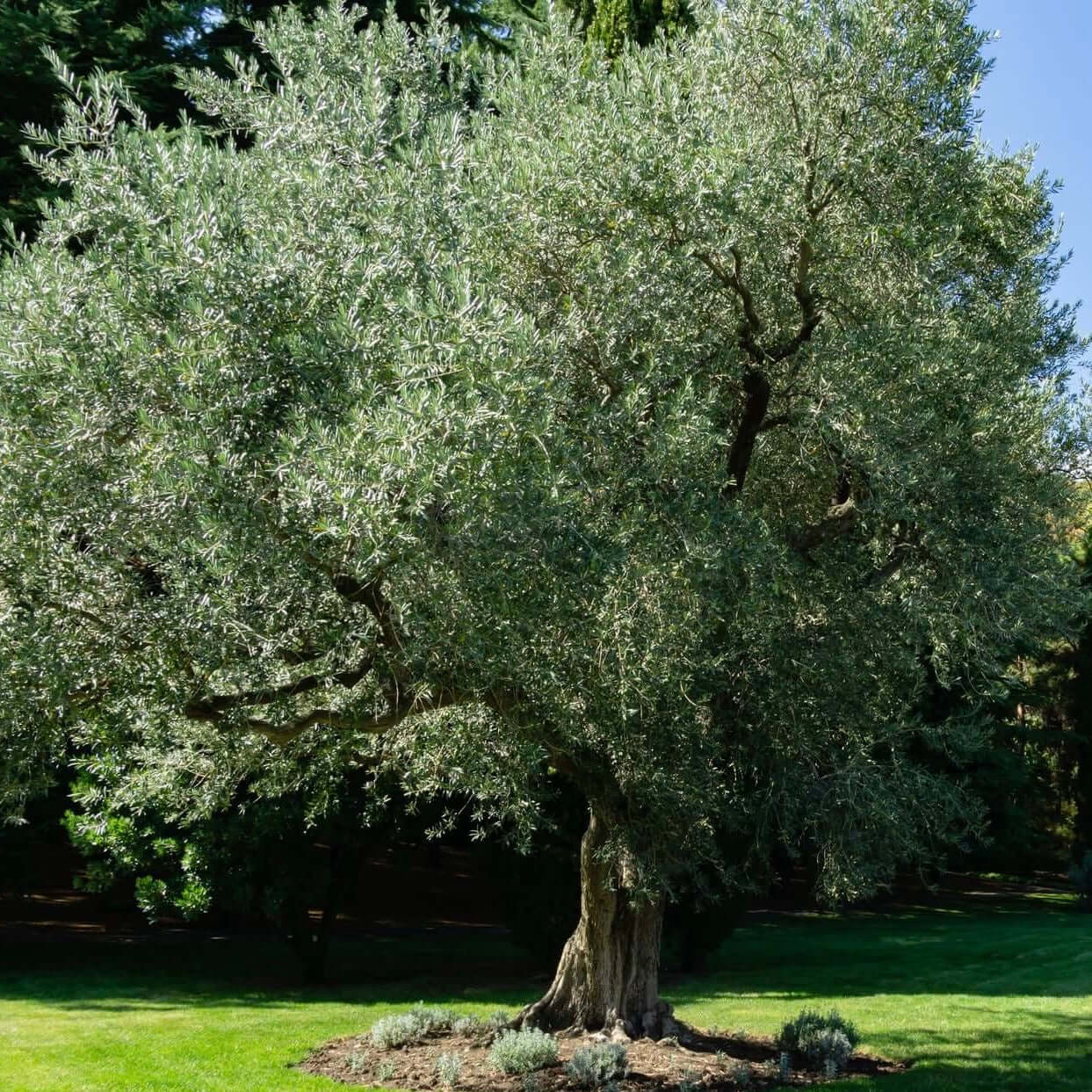
Libya has long been part of the Mediterranean olive civilization. With vast agricultural lands, diverse microclimates, and expanding investment in modern orchards, the country has increasingly turned toward imported foreign olive varieties to enhance productivity, oil quality, and global competitiveness.
The Libyan catalog of imported foreign olive varieties is not merely a list of names—it represents a strategic agricultural shift. By integrating Spanish, Greek, Italian, and other Mediterranean cultivars, Libya aims to modernize its olive sector, increase extra virgin olive oil production, and optimize yields under arid and semi-arid conditions.
In this comprehensive professional guide, we explore the main imported olive cultivars grown in Libya, their agronomic characteristics, oil profile, productivity, disease resistance, and suitability for Libyan conditions.
Why Libya Imports Foreign Olive Varieties
Before diving into the catalog, it’s essential to understand the driving forces behind importing olive cultivars:
Increasing demand for high-quality extra virgin olive oil
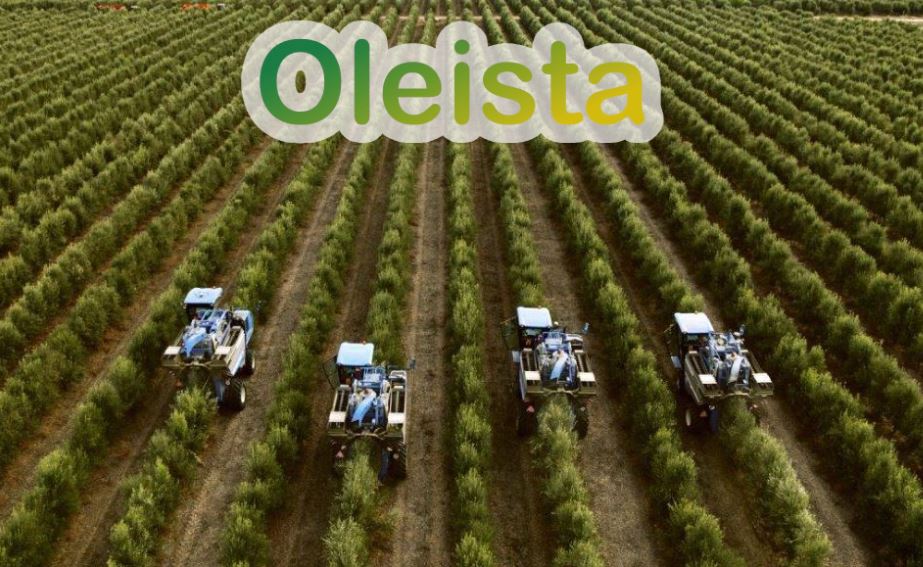
Expansion of super-high-density olive orchards
Climate resilience strategies
Export-oriented agricultural investments
Mechanization compatibility
Imported cultivars allow Libyan growers to adopt modern orchard systems, especially intensive and super-intensive olive farming models.
The Core Mediterranean Varieties in the Libyan Catalog
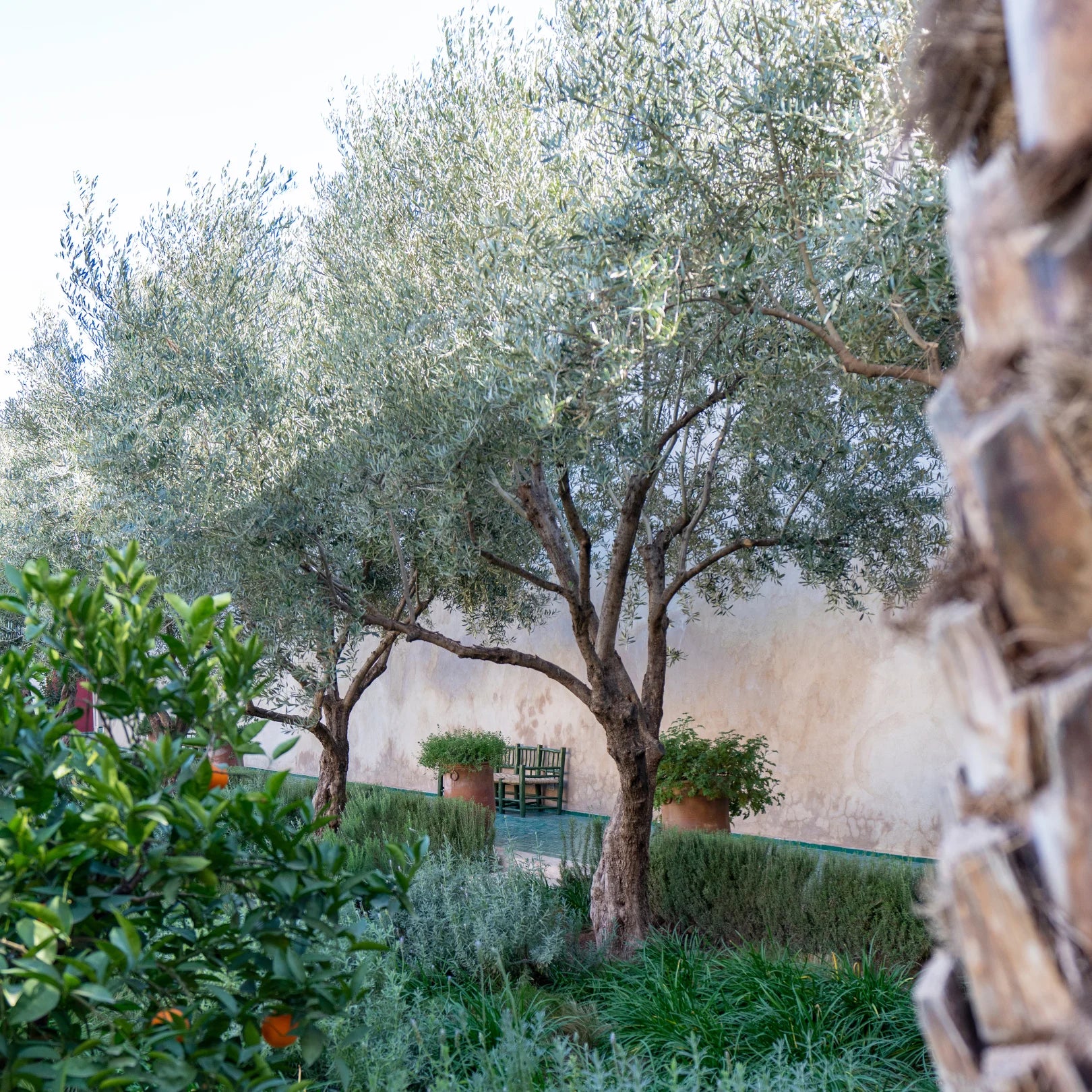
1. Arbequina (Spain)


Origin
Spain (Catalonia region)
Why It Is Popular in Libya
Arbequina is among the most widely imported olive varieties in Libya due to its adaptability to intensive systems.
Key Characteristics
Early bearing
Suitable for super-high-density planting
Medium oil content (18–22%)
Smooth, fruity oil
Performance in Libya
Good tolerance to moderate drought
Performs well in northern coastal regions
Compatible with mechanical harvesting
Oil Profile
Mild fruity
Low bitterness
Popular in international markets
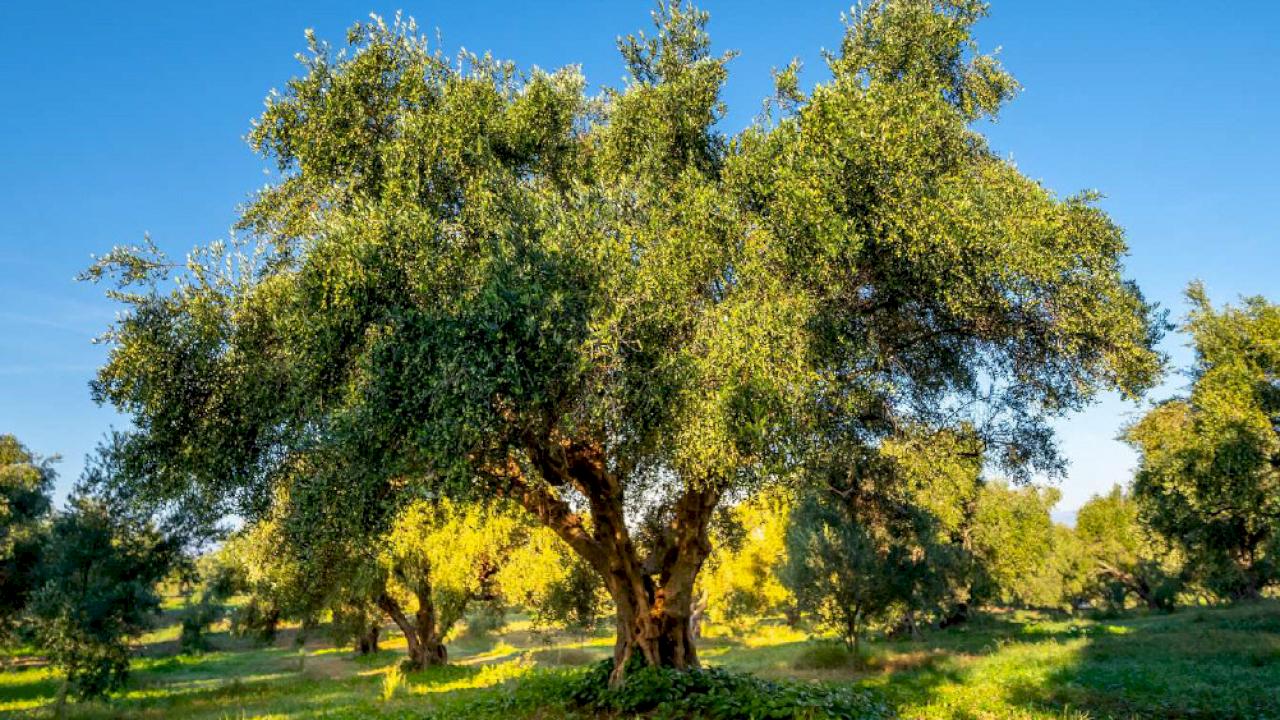
2. Koroneiki (Greece)


Origin
Greece
Strategic Importance in Libya
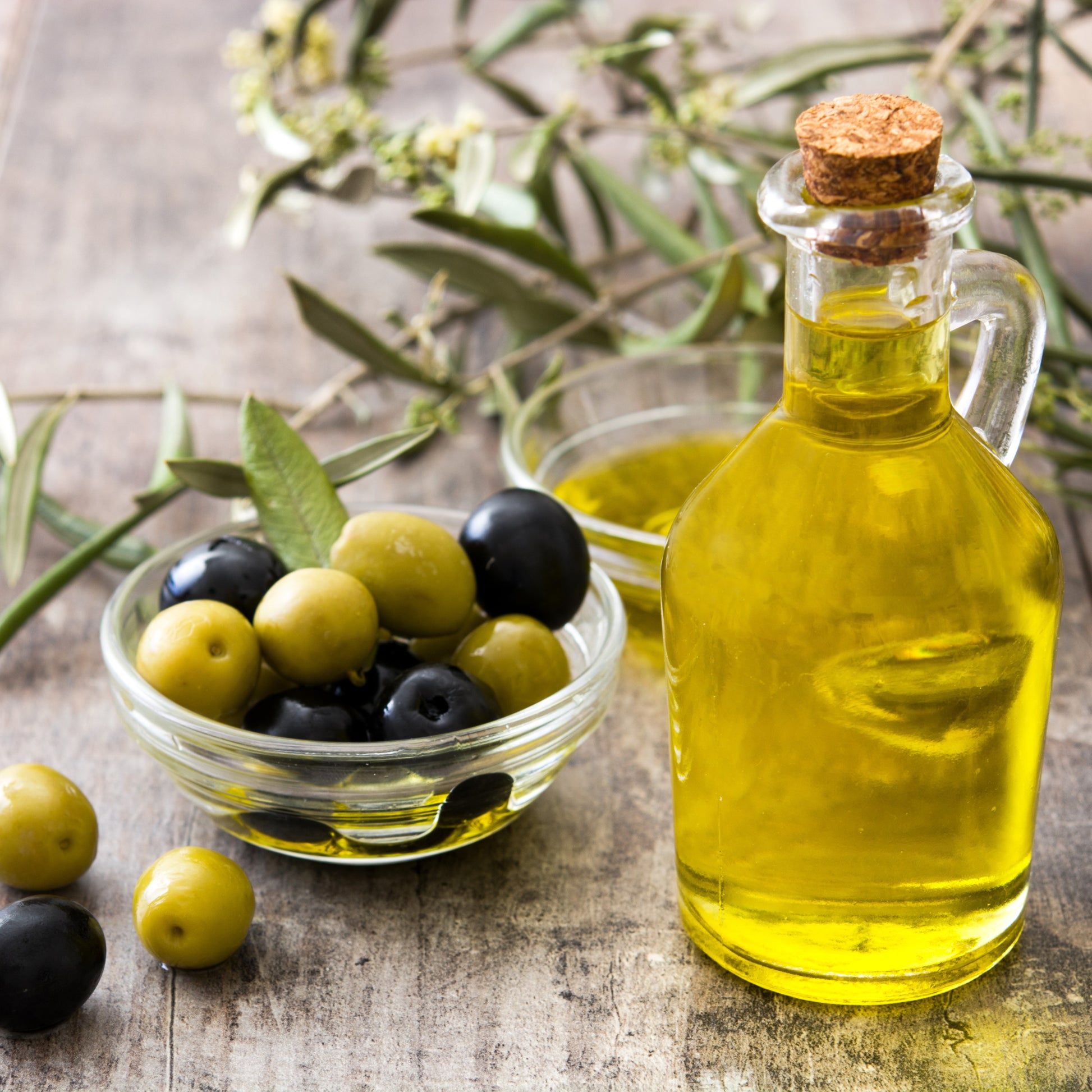
Koroneiki is highly valued for its high oil yield and stability, making it attractive for oil-focused investments.
Characteristics
Small fruit size
High oil content (20–27%)
Strong drought resistance
High polyphenol levels
Suitability for Libya
Excellent performance in arid and semi-arid zones
Resistant to heat stress
Suitable for mechanized systems
Oil Quality
Intense fruity
High antioxidant content
Long shelf life
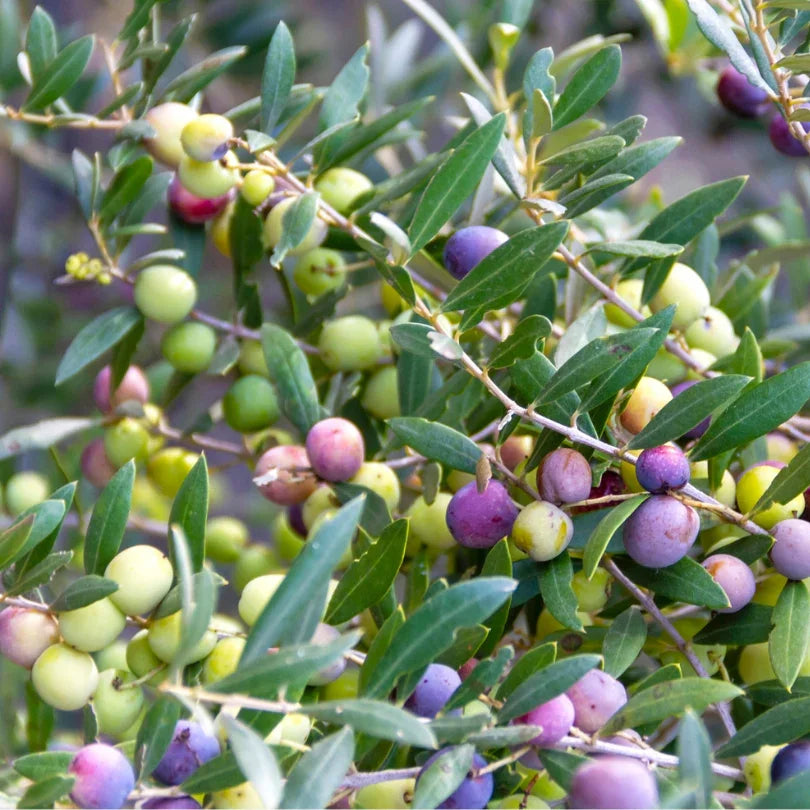
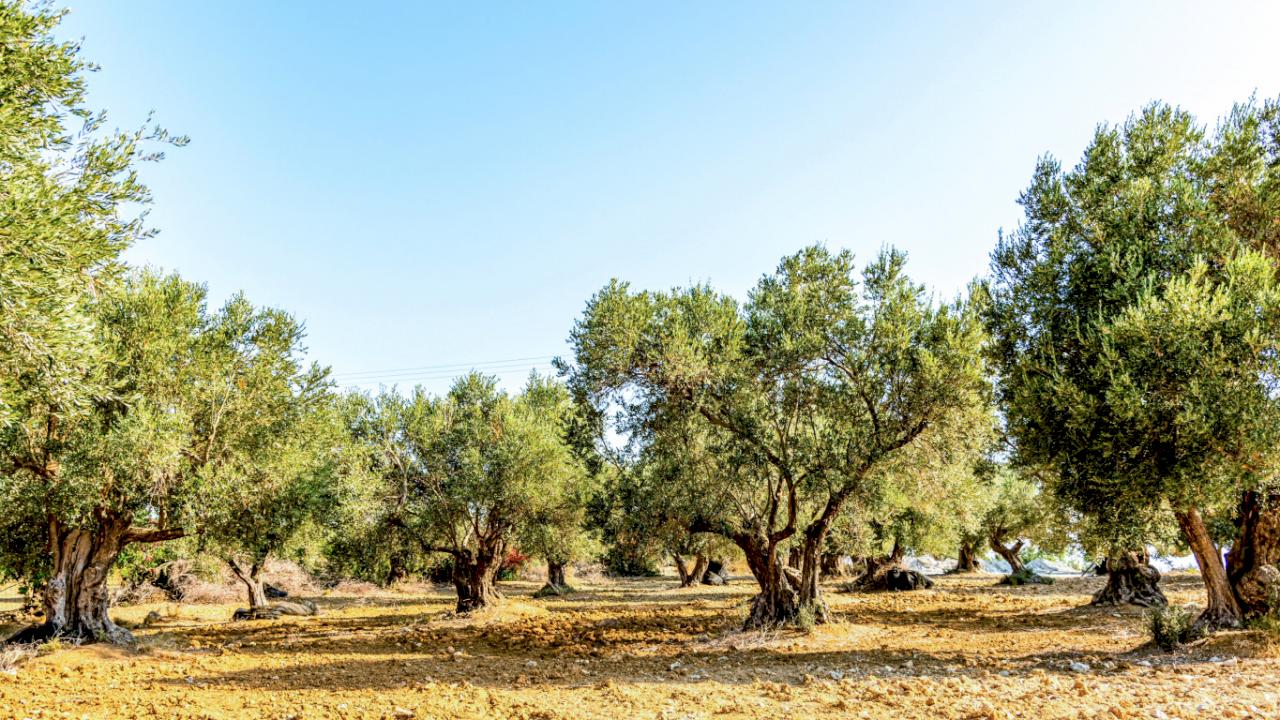
3. Picual (Spain)


Origin
Spain (Andalusia)
Reasons for Importation
Picual is globally recognized for oil stability and industrial-scale production.
Characteristics
High oil content (22–28%)
Strong tree vigor
Moderate cold resistance
Good productivity
Performance in Libya
Suitable for medium-density orchards
Performs well in well-drained soils
Good tolerance to salinity
Oil Profile
Bold, slightly bitter
High oxidative stability
Ideal for export blending
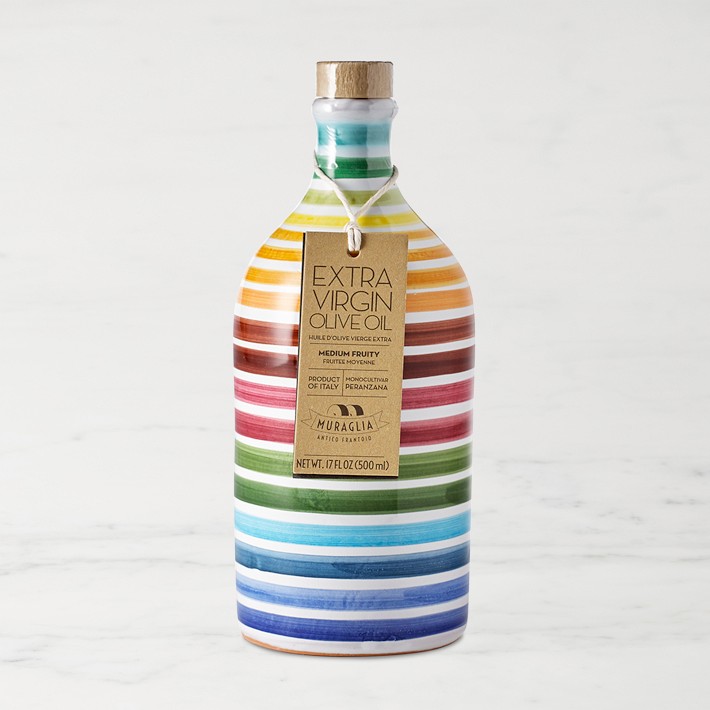
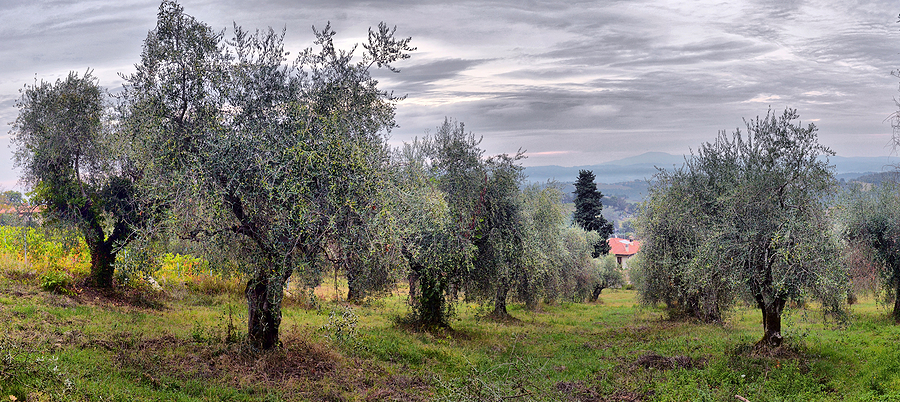
4. Frantoio (Italy)


Origin
Italy (Tuscany)
Strategic Role in Libya
Used mainly for high-quality boutique oil production.
Characteristics
Medium fruit size
Oil content 18–23%
Strong flavor complexity
Good disease tolerance
Oil Characteristics
Herbaceous notes
Balanced bitterness
Premium market positioning
5. Leccino (Italy)
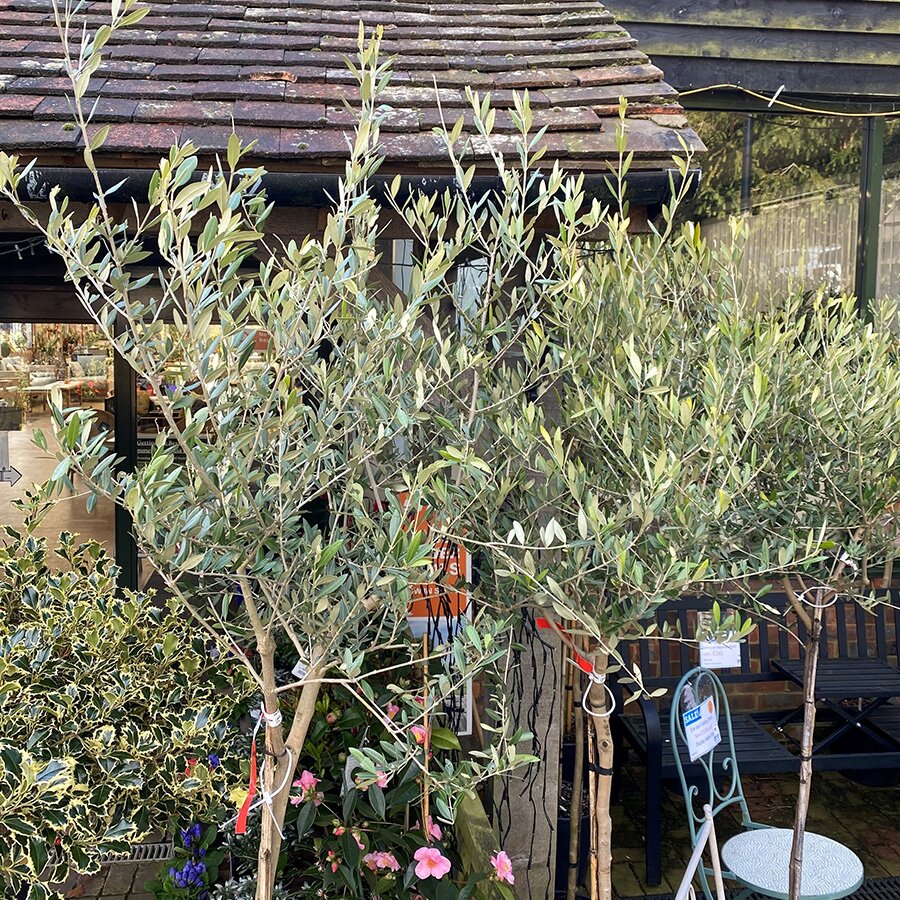
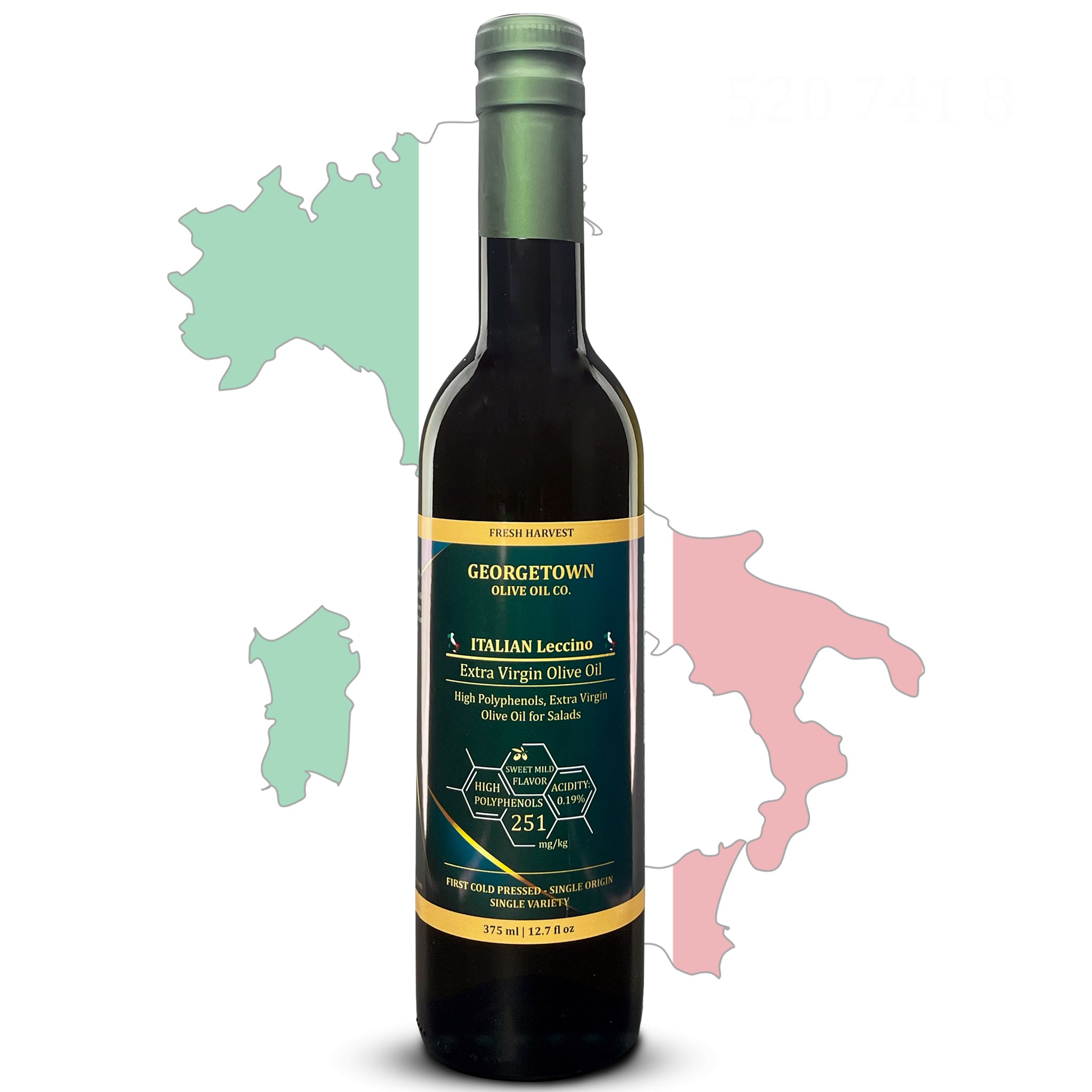
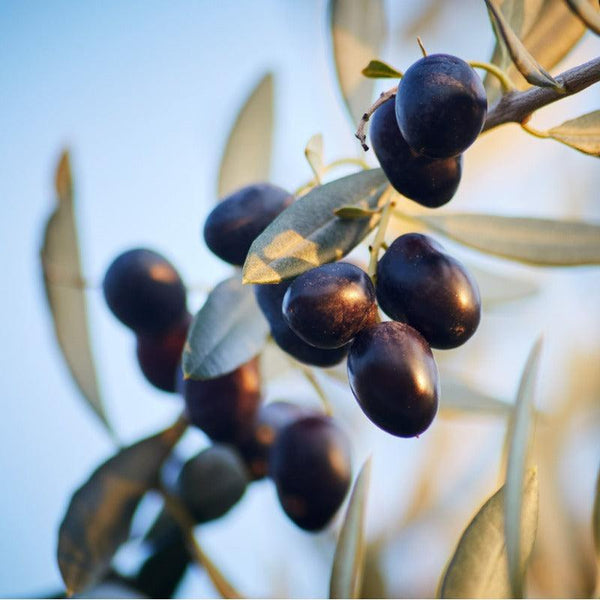
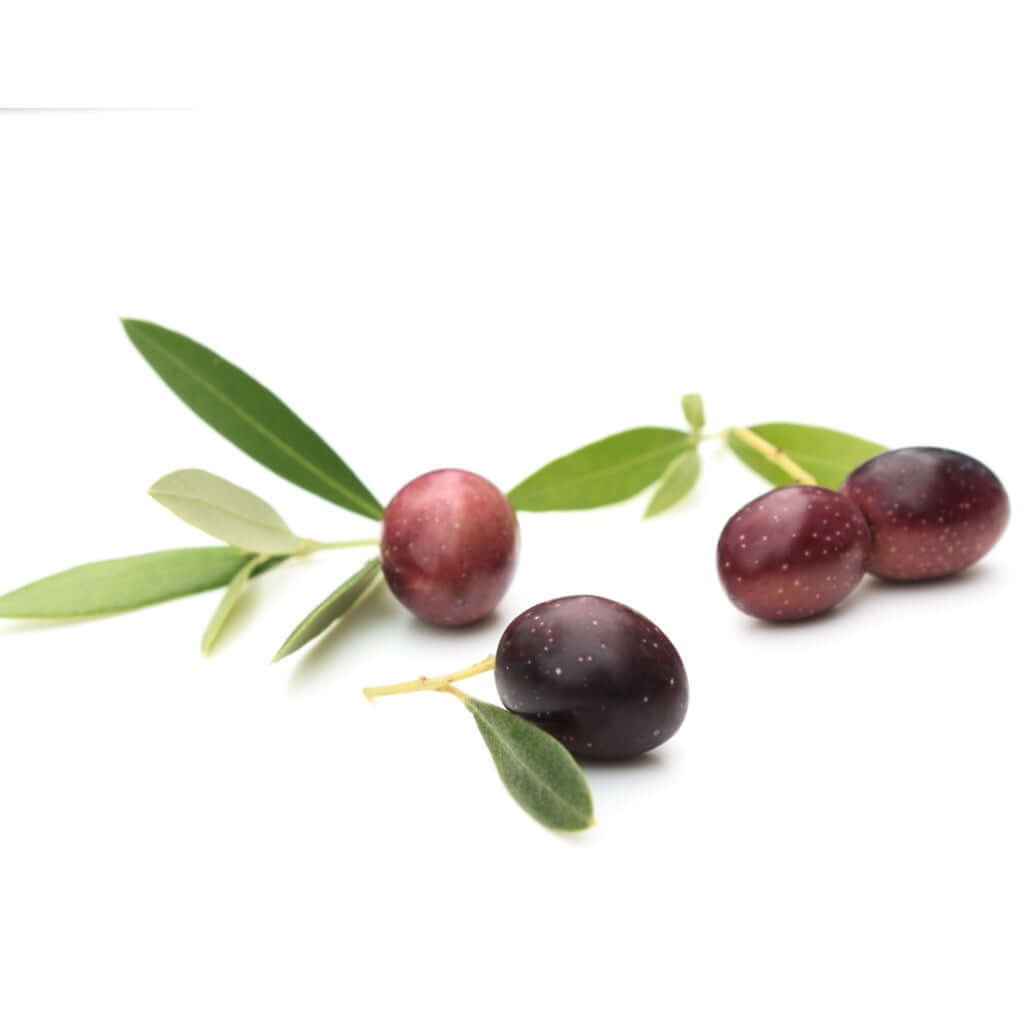
Why It’s Imported
Early maturation
Cold tolerance
Stable yields
Performance in Libya
Adaptable to moderate climates
Suitable for coastal northern regions
6. Manzanilla (Spain)

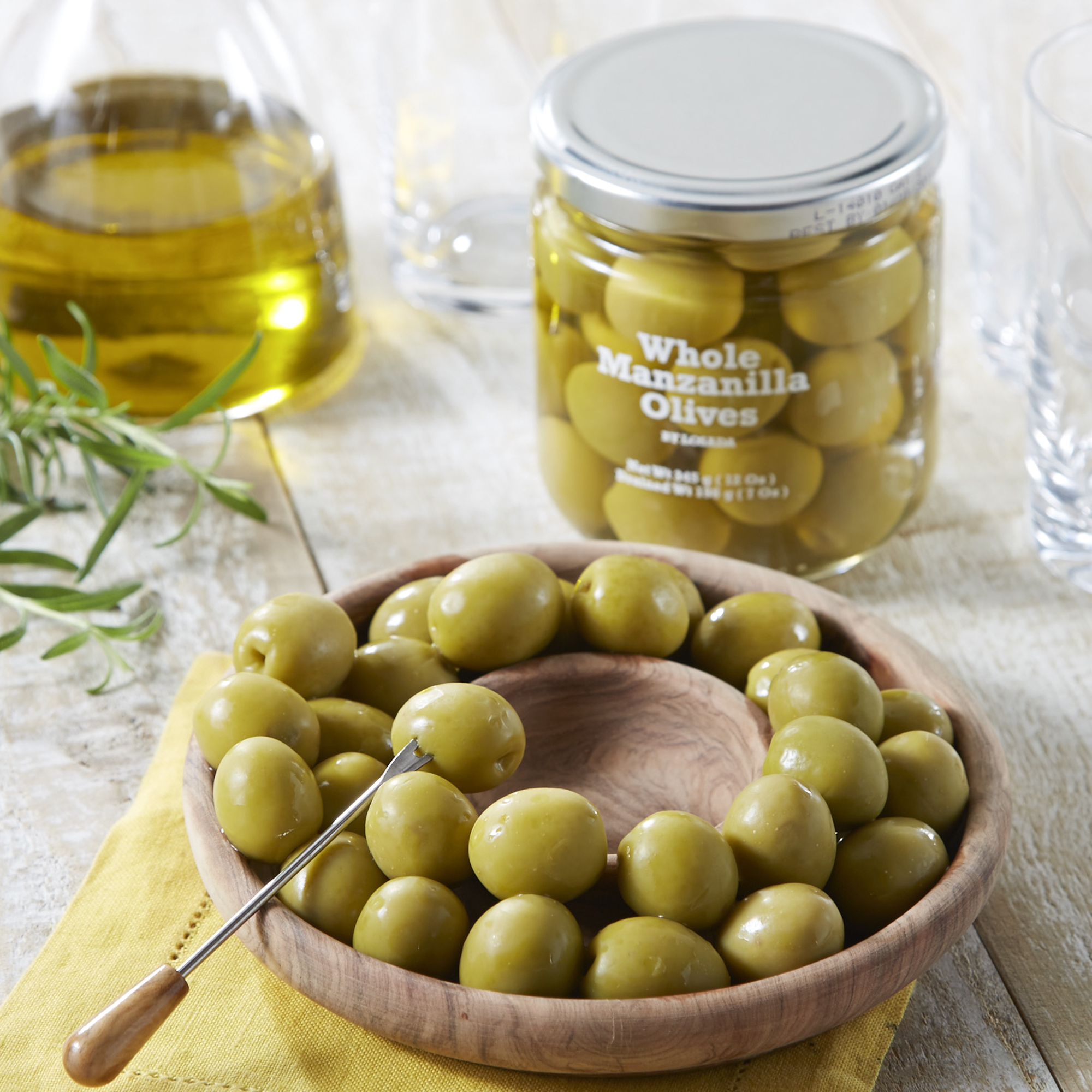
Role in Libya
Primarily imported for table olive production.
Characteristics
Large fruit
Excellent for pickling
Moderate oil content
Emerging Imported Varieties in the Libyan Olive Sector
7. Arbosana
Ideal for super-intensive orchards
High productivity
Compact growth
8. Hojiblanca
Dual-purpose (oil + table)
Strong adaptability
9. Picholine
Used for table olives
Moderate oil production
10. Sikitita
Modern hybrid
Designed for super-high-density farming
Comparative Analysis of Imported Olive Varieties in Libya
| Variety | Oil Content | Drought Resistance | Best System | Main Use |
|---|---|---|---|---|
| Arbequina | Medium | Moderate | SHD | Oil |
| Koroneiki | High | Excellent | SHD | Oil |
| Picual | High | Good | Intensive | Oil |
| Frantoio | Medium | Moderate | Traditional | Premium Oil |
| Manzanilla | Low | Moderate | Traditional | Table |
Adaptation to Libyan Climate Zones
Libya includes:
Coastal Mediterranean belt
Semi-arid inland zones
Desert margins
Best-performing cultivars in arid areas:
Koroneiki
Picual
Best for coastal climates:
Leccino
Frantoio
Super-High-Density Olive Farming in Libya
Imported cultivars such as Arbequina, Koroneiki, and Arbosana are central to Libya’s shift toward mechanized harvesting and modern orchard systems.
Planting Density
1,500–2,000 trees per hectare
Advantages
Early production (2–3 years)
Lower labor costs
Uniform oil quality
Oil Quality Standards and Export Potential
Foreign varieties improve Libya’s ability to produce:
Extra Virgin Olive Oil (EVOO)
High-polyphenol oils
Blended export-grade oils
This enhances competitiveness in European, Gulf, and Asian markets.
Challenges in Importing Foreign Olive Varieties
Phytosanitary risks
Genetic adaptation issues
Irrigation dependency
High initial investment
Investment Opportunities in Imported Olive Varieties
The Libyan olive sector offers opportunities in:
Large-scale orchards
Olive oil milling
Export branding
Organic olive oil production
Future Trends in the Libyan Olive Variety Catalog
Expansion of drought-resistant cultivars
Adoption of hybrid super-intensive varieties
Focus on climate-resilient genetics
Precision agriculture integration
Conclusion
The Libyan catalog of imported foreign olive varieties represents a transformative step in the modernization of Libya’s olive industry. By integrating Mediterranean cultivars such as Arbequina, Koroneiki, Picual, Frantoio, and Manzanilla, Libya is building a diversified, resilient, and export-oriented olive sector.
These imported varieties offer improved oil quality, higher productivity, better adaptability to arid climates, and compatibility with mechanized farming systems. As Libya continues expanding agricultural investment, foreign olive cultivars will remain central to national food security, economic diversification, and global olive oil competitiveness.
30 معصرة زيت زيتون عربية حازت على جوائز وشهادات دولية 2024
أشهر20 معصرة زيت زيتون جزائرية حاصلة على جوائز وشهادات دولية
8 تقنيات لعصر الزيتون تقليدية وحديثة


